rss

More Inspiration

QUIZ: Put Your Canadian Trail Knowledge to the Test!

How well do you know the Trans Canada Trail? This quick quiz challenges you to identify the landmarks, landscapes, and experiences you might encounter while cycling or hiking sections of Canada’s longest multi-use trail system!

From Quebec’s Parc linéaire le P’tit Train du Nord to the East Coast Trail in Newfoundland and Labrador, see how your knowledge fares. Take the quiz, test your knowledge, and see which sections of the Trans Canada Trail might inspire your next adventure.

Learn more about the remarkable places along our national trail in our Highlights Along the Trans Canada Trail article. Spanning more than 29,000 kilometres, this community-driven network is the longest multi-use trail system in the world, linking diverse landscapes and communities across Canada.

Along the Trans Canada Trail, each section reflects the landscape and character of the province it passes through. That might mean cycling the Kettle Valley Rail Trail in British Columbia’s Okanagan Valley, known for its tunnels and trestle bridges, or riding the Harvest Moon Trailway through Nova Scotia’s Annapolis Valley, where wineries near the trail serve the region’s signature white wine appellation, Tidal Bay wine.

We are proud to support this remarkable network. For eligible trips that include a section of the Trans Canada Trail, a $50 donation from the booking fee helps support trail maintenance, accessibility, and preservation, ensuring the world’s longest recreational trail remains accessible for generations to come.

How to Stretch Before a Hike (and Why It’s So Important You Do)
by Robin Esrock

Stretching is a no-brainer hiking exercise with benefits that are so clear and obvious that it’s odd how often we forget to actually do them. A good stretch loosens us up, reduces muscle tension, gets the blood flowing, and puts us in the right state of mind too. All of these go a long way in preventing injuries while hiking on uneven terrain, and all of which can be done in minutes. Unfortunately, we’re often so excited to get going – or post-hike get to the nearest pub to rehydrate - that we forget to stretch and only remember when it’s too late (here’s looking at you, throbbing calves). It only takes 5 to 10 minutes. Here's a helpful reminder, in upper case: PLEASE STRETCH! Now let’s look at how best to do them.

Disclaimer: These are general exercise suggestions. Always take into account pre-existing injuries, as well as your flexibility and ability. You shouldn’t feel any pain whatsoever while stretching. If you do, stop immediately to avoid injury.

Stretching supports both physical health and the right state of mind
BEFORE THE HIKE: Dynamic Stretches

Our goal is to warm up the lower body, where most of our movement will take place, and put the rest of our muscles on notice that they’re about to get some action.  The best way to do this is with dynamic stretches and active motions that will increase our range of movement and lubricate our joints. 

Hamstring Kicks
Let’s start with leg strength, flexibility and stability, targeting muscles that extend the knee and extend the hip. Stand tall, step your right leg back, and kick it forward and up, keeping the left leg straight. Repeat this motion for 30 seconds to one minute, then switch legs. 

Ankle Circles
Remain standing, and make clockwise and counter-clockwise motions with your foot, rotating your ankle. Do ten rotations of each, then switch legs.   This simple exercise just might save you a sprained ankle.

Calf Stretch
Stand about an arm's length from a car, tree or fence, placing your right foot behind your left foot. Slowly bend your left leg forward, keeping your right knee straight and your heel on the ground. 15-30 seconds should adequately stretch the calf of the back leg, then switch legs.

Add high knees to your hiking warm-up to get the blood flowing
High Knees
Now lift your knees one at a time as high as possible, as if in a marching motion, warming up your hips, hamstrings, calves, glutes and quadriceps.  This will get the blood flowing and assist with balance and endurance. Ten repetitions on each side should do it.

Shoulder Rolls
Don’t shrug it off, make it a shoulder roll!   Roll your shoulders backward and forward in a circular motion to loosen up the joints, alleviate shoulder pain, open your chest, and relieve neck tension. It’s recommended to do 15 second rolls in each direction.

Walking Lunges
Step forward with your right leg, bending the knee so that it is parallel to the ground, keeping your left leg straight, and hold it for a few seconds. Without moving your left leg, stand up, and lunge backwards, bending your left leg and keeping your right leg straight. Make sure your front knee is aligned with your ankle and not beyond your toes. Do 10 to 12 reps on each leg, repeating if necessary.

Leg Swings
Let’s get hip: swing your leg forward and back for 10 reps, then to the side for 10 more. Switch legs and repeat. This stretch works on your hamstrings, calf, quadriceps, and also loosens up your ankles and feet. Maintain control of your motions and make sure you’re not flinging or throwing your legs about.

Low-impact flexibility exercises make a great addition to any daily stretching routine
AFTER THE HIKE: Static Stretches

Holding a stretch is recommended when concluding a hike, which lengthens the muscles, prevents stiffness and muscle pain, improves overall flexibility, and prepares you for another successful day on the trails. Stretch immediately after the hike to take advantage of your warm muscles. Hold for about 20-30 seconds in each pose, and repeat each stretch 3-4 times. 

Standing Saddle Stretch:
Let’s start with your lower back, inner thighs and hamstrings. Stand with your legs spread apart, toes forward, and bend at the waist towards one leg. Hold the stretch, then switch to the other leg.

Open up your hips by incorporating the runner’s lunge as part of your post-hike routine
Runner’s Lunge
Step one foot forward into a lunge position, bending on your front knee, keeping the back leg straight and heel off the ground. Lean into the stretch to open up the hips. 

Rag Doll Pose
Stand with your feet hip-width apart, bend at the waist, and let your upper body hang loose, reaching towards the ground to stretch your back and hamstrings. You can also try this with your feet together. Hey, you’re doing yoga! 

Quadriceps Stretch:
While standing, bend one leg back, holding the ankle to stretch the front of the thigh. Keep your knees together and push your hips forward for a deeper stretch.

Glute Stretch
If the ground isn’t too muddy or crawling with bullet ants (don’t worry, there’s no bullet ants in Canada), sit on the ground, cross one leg over the other with the foot flat on the floor, and hug the knee to your chest to really stretch those glutes.

Calf Stretch
Let’s return to those calf stretches, since you’ve just put them through a grinder and you want them to cooperate tomorrow. Once again, place your right foot behind your left foot. Slowly bend your left leg forward, keeping your right knee straight and heel on the ground. Use a tree, car, fence or fellow hiker for balance support if necessary.

Stretching before and after exercise supports flexibility and recovery
Shoulder Stretch
If you’ve been carrying a backpack all day, give some stretch love to your shoulders, back and neck. With your feet hip-width apart, back straight and shoulders back, raise one arm overhead and drop your forearm down your back. Use the opposite hand to grab your elbow and gently pull it behind your head. 

Additional Tips
  • Hydrate before and after your hike to aid with muscle function and recovery.
  • Hiking poles really help distribute weight and can reduce joint strain.
  • Listen to your body, and never stretch to the point of pain!
  • Make it a habit: incorporate stretching into your regular hiking routine.
 
Robin Esrock is the bestselling author of the Great Canadian Bucket List.
A Field Guide to the Regional Culture of Canada

By Robin Esrock

Nothing tests my journalist prowess like trying to describe a Canadian. This is because Canada doesn't have one culture, it has a half dozen, crammed into a mosaic of accents, cuisines, weather systems, and unspoken cultural codes. Canadian culture feels like a variety box of chocolates: you get the same general idea, but wildly different tastes depending on which one you bite into. That said, Canadians tend to be modest while possessing a great sense of humour. With that in mind, allow me to introduce regional stereotypes across each distinct region. Visitors can get a better idea of what to expect, while Canadians will enjoy picking it all apart. 
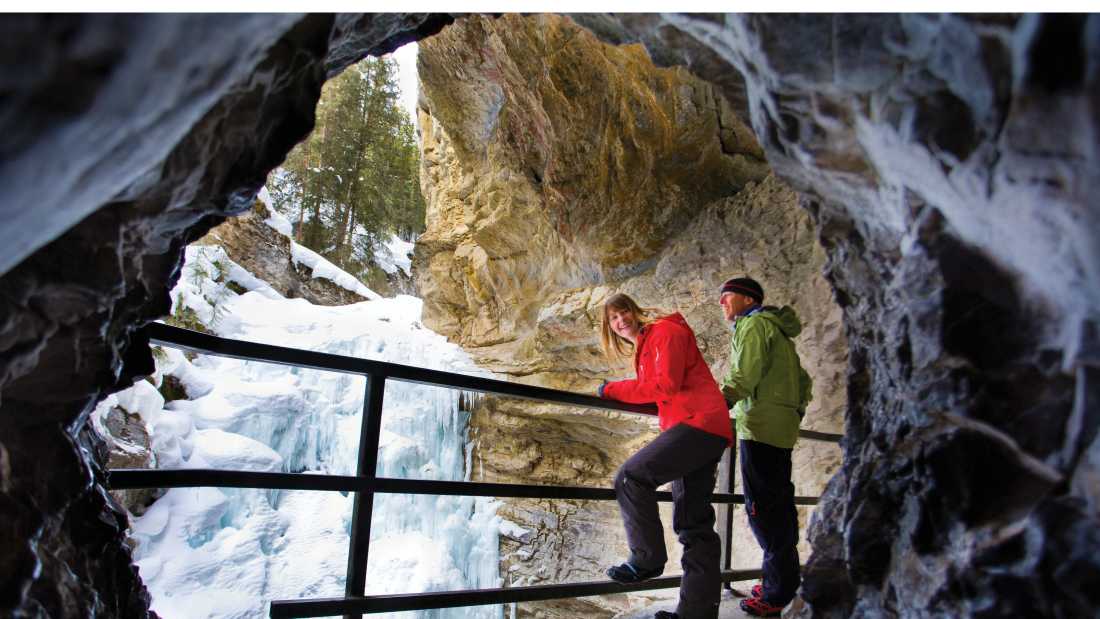
Winter walk in Johnston Canyon |  Banff Lake Louise Tourism

The West Coast and Rockies: Born into Gore-Tex

On the West Coast, people don’t ask what you do for work, they ask what you do for fun. Social calendars often revolve around sunny breaks, trail conditions, and your latest mountain biking, skiing or hiking adventure. Blessed with the privileged of not being buried under snow for most of the year, it’s enjoyable to be outside most of the time. West Coasters share strong opinions about PFAS-free Gore-Tex, hoppy craft beer, mushroom foraging, real estate, atmospheric rivers, and how to behave when encountering a bear. Their cuisine reflects a healthy, nature-forward vibe, with an abundance of wild sockeye salmon, outrageously good sushi, local berries, and enough quinoa to insulate a small condo. The West Coast can project a blend of environmental consciousness and mild smugness, like someone who composts, but also wants you to know they compost.

British Columbians are a beautiful, annoyingly healthy people, and surprisingly diverse. You'll hear Cantonese in Richmond, Punjabi in Surrey, and a smorgasbord of accents. People move here from all over the world because it’s stunningly beautiful and compared to the rest of Canada, it’s Hawaii. Should you spend a week immersed in B.C’s rugged coastal rainforest, mountains or interior lake country, you'll want to move here too. Spend a week navigating Vancouver traffic, and you’ll want to move to Vancouver Island. 

The Rockies in Alberta share this similar outdoor code but with a cowboy accent and a large pickup truck. In Banff and Canmore, trail conditions mean everything, the preferred beverage is something fermented in a garage, and the preferred life philosophy can be distilled into the phrase: if you're not in the backcountry, you're not really living. Visitors often mistake West Coast politeness for friendliness, but be forewarned that mild weather tends to breed mild personalities. Given their constant outdoor busyness, it’s rare to be invited into someone’s home after meeting them in a coffee shop. For that, you need to visit the prairies.
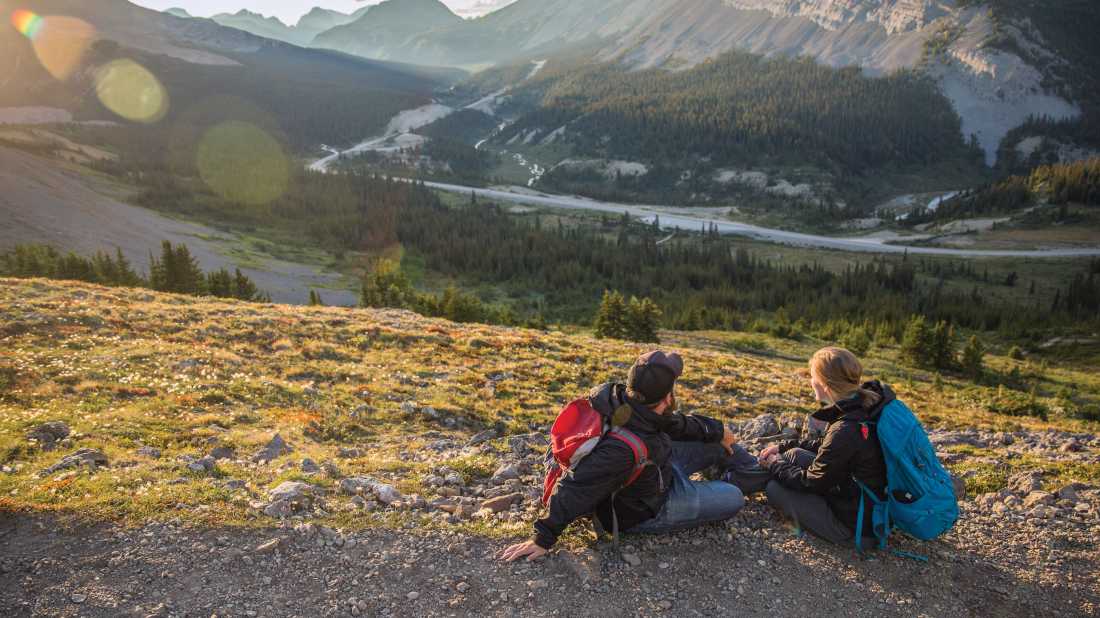
View of the Icefields Parkway from Parker Ridge, AB |  Ben Morin, Parks Canada

The Prairies: Straight Shooting Salt of the Earth

Cross the Rockies and the sky opens up like the release of a long-held breath. The prairies are massive, honest, and deeply underrated, much like the people who live on them. Saskatchewanians and Manitobans are the kind of folks who will help you fix a flat tire in an icy January blizzard, then invite you to their homes for hearty homemade soup. They will roll their eyes when you mess up the pronunciation of “Regina.”

Prairie culture runs on self-deprecating humour and an aggressive lack of fuss. Local cuisine is built for endurance: perogies, cabbage rolls, and butter tarts that can fuel a harvest crew. It is where lentils, mustard seed, soya, grain, sunflowers and chickpeas grow in such abundance it literally feeds the world. Distances between towns make “a quick drive” about four hours. Humility wraps the quiet prairie toughness like a corn husk. People mean what they say and say what they mean, and community is deeply important. Prairie people don’t need to brag about anything. They just quietly keep the country running while everyone else takes selfies.

An Indigenous concert in Nunavut, united by song and shared stories |  © Marlin Olynyk

The Territories of the North: Where Canada Gets Real

Northerners are a self-selecting population who could live anywhere else yet choose here, alongside Indigenous communities who have called this land home for millennia. Together, they share a matter-of-factness about conditions that would challenge most Canadians.

Minus-50 winters, no cell service, the nearest hospital being a three-hour flight away, whatever. People who live above the 60th parallel are made of a different spice. Daylight is not guaranteed. Depending on the season, it might be sunny for 24 hours, or the sun may be absent for months. Northerners discuss about heroic blizzards the way most people talk about traffic. They are incredibly resilient, resourceful, and unshakeable. If you complain about the cold, they won’t argue. They’ll simply look at you the way you’d look at a toddler crying because their ice cream is too cold. 

Conversation in the North has its own rhythm, with fewer words and more meaning. There’s an understated humour here, sharp as ice but seldom cruel. There’s also a strong cultural richness, particularly in Inuit and Indigenous communities, which gives the North that deep sense of identity often lacking in the South. Traditions, storytelling, and connection to the land aren’t lifestyle choices, it’s survival knowledge. Northern food reflects this: Arctic char, caribou, bannock, wild berries, and whatever is available when stock is low in the North Mart. As a result, the North produces Canadians of extraordinary competence. They can fix a snowmobile engine, read weather in the clouds, and make bread over an open fire. They find it slightly amusing that you're impressed by any of it.
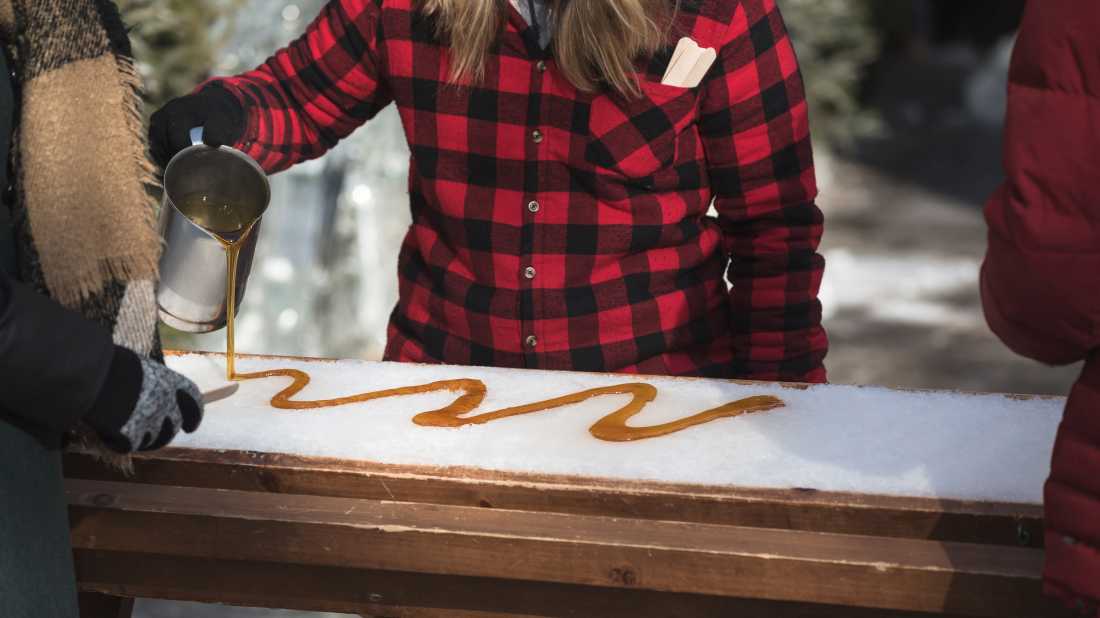
Making maple toffy in the Old Quebec |  Francis Gagnon

Quebec: A Nation Doing a Province's Job

Visitors might think Quebec is simply Canada wearing a beret. More accurately, Quebec is a distinct civilization. When you cross into Quebec, you’ll notice this difference immediately: the signage, the music, the language, the food and the general atmosphere all shift dramatically.

French culture is fiercely protected, celebrated, and wielded like a magical sword. Compared to the French spoken in France, its dialect is far richer, older, and considerably more fun to listen to at a party (swearing in Quebec is a respected art form). The Quebecois are expressive, opinionated, and dramatic. They don’t do small talk the way other Canadians do. They do big, animated talk about art, politics, food, and why Quebec is better than any other province.

Mon dieu, the food. It is the birthplace of poutine, but not the sad frozen-fry version the rest of Canada reluctantly accepts. Real poutine means hand-cut fries, squeaky fresh cheese curds, and a gravy so rich and decadent it can melt a winter storm. Expect tourtière at Christmas, sugar pie, stacked smoked meat sandwiches, and an abundance of maple syrup flowing through the veins of the province. Bring your appetite, some rudimentary French, and the humility to understand that you are visiting somewhere genuinely different.
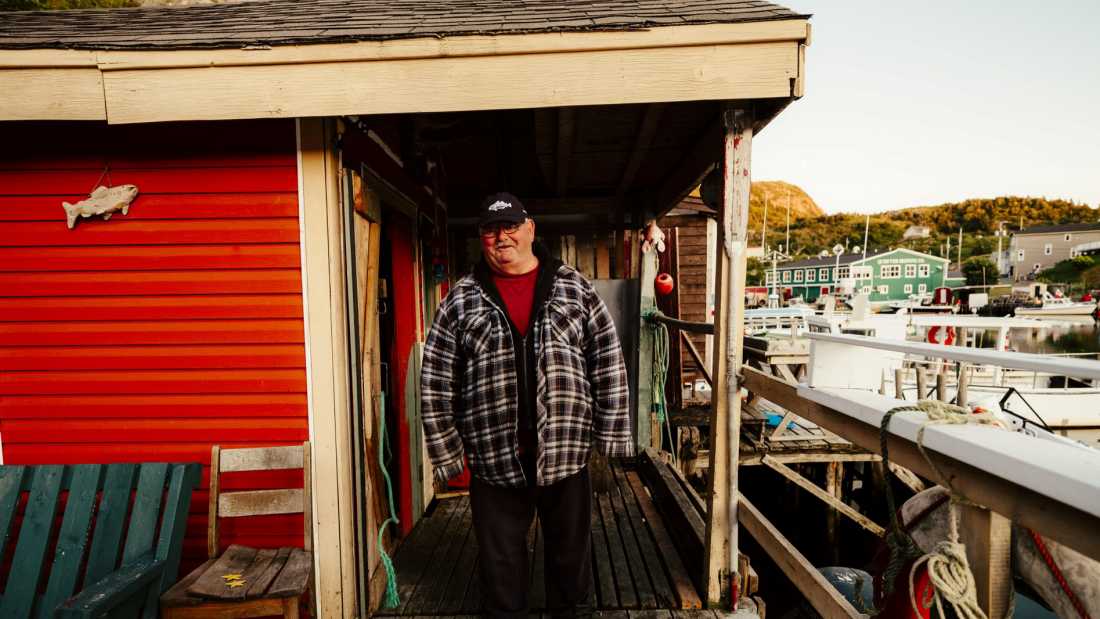
A local fisherman carries on Newfoundland and Labrador’s proud coastal traditions |  Destination Canada

The Maritimes and Atlantic Canada: Thank Cod for the Good Times

Welcome to the salty ocean heart of Canada, a region where everyone knows everyone's grandfather. Locals wave at strangers, the pace slows down, and conversations stretch for days. Maritime culture is built on community, storytelling, and the understanding that since the sea giveth and the sea taketh away, you might as well pour another drink while you can.

They are the storytellers of Canada. Bump into someone at the grocery store, and it might turn into a ten-minute saga involving storms, cousins, and a lobster boat that sunk in 1993. Their humour is dry, self-deprecating, and delivered with a flourish suggesting you don’t know the half of it. You’ll encounter folks who stop for impromptu fish shopping in a community parking lot. The accent is globally unique, stacked with dropped g's and expressions that go back to the days of Scottish and Irish settlers. There’s a musical lilt, like the ocean somehow leaked into the vowels. Cuisine is heavy on the seafood: lobster rolls, scallops, chowder, clams, mussels, fish and chips, and for the braver visitor, cod tongues.

Newfoundland could be its own country, and until 1949, it actually was. Newfoundlanders are the Canadians most likely to greet you like a long-lost cousin, most likely to have a nickname for their nickname, and most likely to break into song without asking. Their accent is technically English but it sounds like a language that evolved in isolation on an island in the North Atlantic for four hundred years. The persistent fog smells faintly of seaweed and butter, and if you listen carefully, it’s probably telling you a wild story.

Catching up with an old friend in the heart of Kensington Market |  Destination Canada

Ontario: Hogging the Attention

Ontario is Canada's centre of gravity. Everyone else has a chip on their shoulder about it, but moves here anyway. Torontonians have perfected a kind of confident cosmopolitanism, with a genuinely extraordinary food scene. Kensington Market, St. Lawrence Market, Little Italy, Greektown, Little Portugal, Chinatown – it’s a city masquerading as a food court.

Ontarians are practical, ambitious, and perpetually juggling traffic and a calendar full of obligations. Cottage country is where Ontarians go to reconnect with their souls, usually by a lake while swatting mosquitoes the size of drones. Canada’s capital, Ottawa, is a city of bureaucrats who are very nice about being bureaucrats. They queue politely, gladly hold doors open, and apologize when you bump into them. The accent of Ontario is one of neutrality that newsreaders aim for, giving it an inoffensive regional character, much like the province itself. 

Outside the big cities, small town Ontario is chipper, cheery, and fun to explore. In a country blessed with surprising diversity, Ontario is the crossroads where everyone comes to work, argue, and eat.

Robin Esrock is the author of The Great Canadian Bucket List. He has eaten his way through every province and territory multiple times, with the waistline to prove it.

QUIZ: Where in Canada Are You, Based on the Menu

Ready to test your Canadian cuisine knowledge, one bite at a time? We’ve turned some of the country’s most iconic local treats into a quick quiz that asks a simple question: based on what’s on the menu, where are you in Canada? Take it for fun, share your score, and maybe even spot your next must-try stop along the way.

If you have not read it yet, this pairs perfectly with our Delicious Canada article, a closer look at the flavours that make travelling across the country so memorable. From sweet classics to savoury regional specialties, Canada is full of local favourites you really do have to experience firsthand. And there’s no better way to do that than venturing coast to coast, one delicious detour at a time.


A good menu can tell you a lot about where you are, not just what you’re eating. In this quiz, the clues range from maple taffy on snow and blueberry pie to fresh wild salmon, icewine, local wine and a well-earned cup of tea with a view. Each unique flavour is a marker of place, carrying the character of its landscape, culture and local history.

Whether it was something sweet, something coastal, or something you’d only order because a local insisted, like a Nanaimo bar, the point is the same: Canada’s food and drink are part of the journey, and they have a way of turning an ordinary stop into the highlight of the day.

The Light at the End of the Trail

By Robin Esrock

Canada's lighthouses continue to stand tall as marvels of marine engineering, symbols of hope, and landmark attractions on both Atlantic and Pacific coasts. Before GPS, lighthouses were essential to safely guide fishing and passenger ships to shore. Some still operate, others have been decommissioned, but all serve as bait for photographers, anchors for road trips, and historical attractions for those exploring a coastal trail. With the largest coastline of any country on the planet, Canada has over 750 lighthouses, each with its own tale of tempests, tragedy, and triumph. Here are a few you might encounter on Great Canadian Trails itineraries.

Peggy’s Cove Lighthouse on Nova Scotia’s rugged Atlantic coast

Peggy’s Cove Lighthouse (Nova Scotia)

The most popular and photographed lighthouse in Canada, this striking red-and-white lighthouse has been in operation for over a century. The octagonal concrete tower is 15 metres tall (49ft), perched on a massive granite outcrop. Visitors often scramble over the rocks for better views, even though rogue waves of the icy Atlantic have claimed a few lives (no selfie is worth it). Stick to the paths and viewing points, especially on a stormy, windy day. A new accessible viewing platform opened in 2021, complete with steel guardrails designed to look like fishing nets. The lighthouse was automated in 1958, and it remains an active navigational aid while still being one of Nova Scotia’s top attractions. Peggy’s Cove is a highlight on GCT’s Rum Runners Trail by Bike itinerary.

Hikers near Cape Spear Lighthouse National Historic Site

Cape Spear Lighthouse (Newfoundland & Labrador)

Each morning, Cape Spear greets the continent's first sunrise. Built in 1836 at the most easterly point of North America, it also has the oldest surviving lighthouse in Newfoundland and Labrador, now a national historic site. Witnessing the sunrise from Cape Spear (and if you’re lucky, whales and icebergs migrating offshore) is a true bucket list Canadian experience. Cape Spear's history isn't just about guiding ships to port. During World War II, it became the Fort Cape Spear coastal defence battery, complete with underground passages, barracks, and two massive 10-inch guns to protect St. John's harbour from German U-boats. The gun barrels still stand today. There’s a museum that covers this period, a boardwalk, and a popular trail that follows the cliffside. Parks Canada operates the site from early June to mid-October, but the grounds are open year-round. Part of the Great Trail, Cape Spear is a highlight for hikers on our East Coast Trail itineraries.

Pachena Point Lighthouse on BC’s wild coast, at the start of the West Coast Trail |  Russ Heinl

Pachena Point Lighthouse (British Columbia)

Several lighthouses greet hikers along the West Coast Trail of Vancouver Island, the most popular being Pachena Point. In operation since 1908, the lighthouse helped steer ships away from the “Graveyard of the Pacific,” where fog and ferocious seas sank more than 200 ships. The lighthouse sits atop a cliff about 200 feet (61 meters) above the cold Pacific Ocean, housed in an octagonal 20 metre (66 feet) wooden tower. Though the lighthouse itself is closed to the public, the grounds are a popular stop about 10 kilometres (6.2 miles) from the northern trailhead at Pachena Bay. Other heritage lighthouses on the West Coast Trail include Carmanah Point near Km 44 and the Cape Beale Lighthouse. Hikers on our West Coast Trail itinerary conclude their adventure in Pachena Bay, where they can rest their feet with a suitably epic backdrop of the lighthouse.

East Point Lighthouse, where the ride ends and the waters meet

East Point Lighthouse (Prince Edward Island)

Located on the P.E.I.’s most easterly point, where the Gulf of St. Lawrence meets the Northumberland Strait and Atlantic Ocean, East Point’s lighthouse was built in 1867, the year of Canadian Confederation. Visitors can climb 67 stairs up the 19.5-meter (64-foot) octagonal wooden tower for panoramic views of the turbulent confluence of the three major bodies of water. The heritage lighthouse had to be physically moved twice after initial construction. The first relocation occurred in 1885 after the 1882 wreck of a British warship on a nearby reef. Local builders successfully moved the immense structure 488 meters (1,600 feet) closer to the point using greased timbers and horses. It was then moved again in 1908 due to erosion and to accommodate the expansion of the fog alarm building. Today the expansion houses a craft shop and gift store. The light was automated in 1989. A popular landmark, cyclists on our PEI Tip-to-Tip and Beyond itinerary conclude their adventure near the iconic lighthouse.

Sunset at Lion’s Head Lighthouse on Ontario’s Bruce Peninsula |  Pete Heck

Lion’s Head Lighthouse (Bruce Peninsula, Ontario)

Here’s a lighthouse with a deep historical and emotional connection to the people of Lion's Head. The first light was established in 1903, with a more substantial wooden tower built in 1913. Shortly after, a legendary storm knocked the lighthouse off its wooden perch and blew it across the harbour. It was restored and reinstalled, before the Canadian Coast Guard dismantled it in 1969. In the 1980s, local high school students built a scale replica of the lighthouse as a student project, which was eventually pressed into service in 2000 after another powerful storm hit the region. The community-built replica stood tall until it was demolished by extreme waves smashing Georgian Bay during a massive storm surge in January 2020. But you can’t keep a good lighthouse down. Locals rebuilt the lighthouse with the original 1913 plans, erecting the landmark in a more sheltered location. You’ll encounter it on both our Bruce Peninsula Explorer and Bruce Peninsula Traverse itineraries.

The West Point Lighthouse is accessible via the Confederation Trail

Point Prim and West Point Lighthouse (Prince Edward Island)

The Gentle Island’s oldest lighthouse is one of the few round-brick lighthouses left in Canada and remains a popular landmark. Overlooking the red sandstone shores that extend into the Northumberland Strait, it was built in 1845 to guide ships safely past a hazardous reef into the bay and onwards to Charlottetown Harbour. Visitors can enter the lighthouse and climb the 18.3 metres (60 foot) structure for sweeping views of the Northumberland Strait. Both a Federal and Provincial Heritage Site, the base features a museum with exhibits and displays about the lighthouse keepers who operated it for generations. If you’re cycling along the Confederation Trail, you can also keep an eye out for the West Point Lighthouse, which features a museum, viewpoint from the top, and an adjacent inn.

Most heritage lighthouse sites are free to visit or charge a modest admission fee. Some offer seasonal tours with guides who share stories of heroic rescues, tragic accidents, and what life was like for keepers, especially when storms battered the coast. They tend to be located on outcrops or rugged beaches, so be aware of your surroundings and take care climbing the steep staircases to the lamphouses.

Robin Esrock is the bestselling author of The Great Canadian Bucket List.

Canada's Most Spectacular Waterfalls

By Robin Esrock

Where there’s mountains, there’s water, and where there’s water, there’s waterfalls. Canada’s iconic cascades trigger the awe of locals and visitors alike, each offering something unique to admire. Some smash you over the head with sheer velocity and volume, others owe more to their surrounding beauty, or even the opportunity for a natural shower. How many of Canada’s most famous or fetching waterfalls have you visited?

Helmcken Falls is a standout natural wonder in Wells Gray Provincial Park |  Robin Esrock

1. Helmcken Falls (British Columbia)

Location: Wells Gray Provincial Park
Height: 141 m (463 ft)

Helmcken Falls gets a lot of international buzz over the ice climbers who scale the monstrous ice cone that forms at the base each winter. A visit in summer is more accessible and arguably more impressive. The Murtle River plummets into a canyon, creating a view so incredible that they created a provincial park just to protect it. Formed by meltwater and a large lava deposit, the 4th tallest waterfall in the country and its thundering column can be viewed from various trails accessible via a parking lot. Late spring sees the maximum flow, and it’s best to leave the ice climbing to the professionals.

Aerial view of Virginia Falls, Northwest Territories |  Darren Roberts Photography

2. Virginia Falls (Northwest Territories)

Location: Nahanni National Park Reserve
Height: 96 m (315 ft)

Twice the height of Niagara and set deep in the remote wilderness of the Northwest Territories, Virginia Falls is the result of the South Nahanni River dropping dramatically over a vast ledge split by a massive rock, causing a roar that echoes through the canyon. One hundred million tons of water crash over a 30-storey drop every day. The spectacle is further rewarded by the effort it takes to actually see it. Nahanni Falls is only accessible in summer by floatplane from the town of Fort Simpson, or on a multi-day rafting or kayaking expedition.

The Montmorency Falls are located near Quebec City

3. Montmorency Falls (Quebec)

Location: 15 minutes from Old Quebec City
Height: 83 m (272 ft)

Montmorency Falls stands 30 metres higher than Niagara Falls, and is easily accessible by trail, cliffside rail car, a suspension bridge, via ferrata, or even a 300-metre zipline. While the surrounding area is lush in summer, winter attracts ice climbers drawn to the impressive ice cone that forms at the base. Montmorency is a popular attraction that draws crowds from nearby Quebec City. Keep in mind the panoramic staircase has 487 steps, but you can recover with a craft beer at the restaurant overlooking the falls. Groomed pathways throughout the park offer various viewpoints.

Scenic view from the top of Shannon Falls, British Columbia

4. Shannon Falls (British Columbia)

Location: Shannon Falls Provincial Park, near Squamish
Height: 335 m (1,099 ft)

Shannon Falls is a favourite stop for travellers on their way from Vancouver to Squamish or Whistler. Pull into the parking lot off the Sea to Sky Highway, and you’ll find easy trails through the evergreen forest base, ascending alongside the cascade with watering holes to cool off on a hot summer day. The flow is strongest with snowmelt in spring. While you won’t see the falls from the top of nearby Stawamus Chief, you will get stellar views of Howe Sound and one of the climbing world’s iconic rock faces.

Cameron Falls: a billion-year-old highlight of Waterton Lakes |  Robin Esrock  

5. Cameron Falls (Alberta)

Location: Waterton Lakes National Park
Height: 23 m (75 ft)

Located inside the townsite of Waterton Village, Cameron Falls isn’t particularly tall but boasts serious geological significance. Water rushing down the mountains splashes over ancient Precambrian rock estimated at over a billion years old, making it among the oldest exposed rock formations on Earth. After heavy rains, the bottom pool can turn rosy pink due to sediment picked up along the way. Waterton is part of the UNESCO World Heritage Waterton–Glacier International Peace Park, shared with Montana’s Glacier National Park.

Spectacular view of the Western Brook Pond in Gros Morne NP |  David Gray

6. Pissing Mare Falls (Newfoundland and Labrador)

Location: Western Brook Pond, Gros Morne National Park
Height: 350 m (1,150 ft)

Pissing Mare Falls wins the title for the best-named waterfall, and it’s just one highlight of visiting Western Brook Pond in Gros Morne National Park. Long and slender as its name suggests, it gains extra points for the spectacular glacier-carved inland fjord surrounding it. After walking the 3 km wooden boardwalk from the parking lot, hop on the mandatory 2-hour boat tour up the fjord and keep an eye out for the waterfall spraying in the wind.

Athabasca Falls is a mighty cascade carved into Jasper’s limestone gorge |  Robin Esrock  

7. Athabasca Falls (Alberta)

Location: Jasper National Park
Height: 23 m (75 ft)

One of the most powerful falls in the Rockies, Athabasca Falls is among Jasper’s most popular attractions. The mighty Athabasca River carves a narrow limestone gorge, resulting in boiling rapids and striking potholes. The falls are located about a half-hour from the townsite along the Icefields Parkway and are accessible via paved trails and scenic viewpoints.

Niagara's incredible Horseshoe Falls |  © Destination Ontario  

8. Niagara Falls (Ontario)

Location: Niagara
Height: 51 m (167 ft)

No list of waterfalls is complete without Canada’s most iconic natural spectacle. Formed by melting glaciers 12,000 years ago, the Canadian side’s Horseshoe Falls eclipses the American Falls, with 6 million cubic feet of water cascading every minute. The resort town offers a variety of ways to engage with the falls, from cruises into the mist to aerial rides and nightly fireworks. Despite the lively tourist atmosphere, the falls continue to wow visitors from around the world.

Robin Esrock is the bestselling author of The Great Canadian Bucket List, now in its third edition.

Tips for a Multi-Day Cycling Trip

Chafing creams, stretching and other strategies for success

By Robin Esrock

Having explored Quebec, Prince Edward Island and British Columbia with Great Canadian Trails, I’ve picked up tips and tricks to make these incredible bike itineraries – or any bike itinerary – more comfortable and enjoyable. While strong muscles and veteran saddle experience help, it’s not nearly as essential as having the right gear, attitude and bike hacks. Whether you’re planning on tackling the KVR or Confederation Trail, the Blueberry Route, Rumrunners or Rideau Heritage Trail, these tips will literally go a long way.

Anti-Chafe

Chafing thighs rarely come up in polite company, but unless your butt is accustomed to spending hours on a bike saddle, pick up an anti-chafe cream or balm. These natural products reduce potentially painful friction from repetitive motion and perspiration. Popular with cyclists and runners, long-lasting products like Body Glide, Chamois Butt’r or Cycle Glide resemble roll-on deodorants and dry fast, avoiding clothing stains or messy grease. Light and inexpensive, apply it generously at all friction points: thighs, armpits, or anywhere clothing might rub you the wrong way. Don't limit yourself to traditional cycling areas either. Feet can chafe in shoes, and even contact from a helmet strap can become problematic over multiple days. The key is prevention, as once the chafing starts, it's difficult to stop.

Stretching

Cycling’s repetitive nature stresses muscles and creates stiffness that accumulates over multiple days. To minimize ouches, stretching is essential before and after days on the saddle. Focus on your hips, hamstrings, calves, and lower back, as these are the areas that tend to tighten during long rides. Hours gripping handlebars can create tension in your shoulders, neck, and wrists. Simple shoulder rolls and gentle neck stretches can work wonders. A simple five-minute routine before mounting your bike can prepare your body for the day ahead, while post-ride stretching helps prevent stiffness and injury, and also aids in recovery.

Geared up for the Eastern Townships for a smoother multi-day ride. |  Gaëlle Leroyer

Padded Shorts

If there's one item of gear that can transform a multi-day cycling experience, it's a quality pair of padded bike shorts. The chamois pad is about cushioning, reducing friction and providing support where you need it most. Choose shorts with a seamless, antibacterial chamois that won't bunch or shift during long rides. The padding should be dense enough to provide protection but not so thick that it feels like you’re wearing a diaper. Many cyclists prefer shorts with flat-seam construction to minimize chafing points. I’ve found one pair is adequate for a week-long itinerary, but bring along multiple pairs if it’s going to be a hot week of weather. Cycling shorts dry quickly, so you can hand-wash and air-dry them each evening to maintain their condition and freshness.

Headwear

Stretchy, light and multi-purpose, a buff is another essential for your multi-day cycling trip. Use it as a face mask if you hit a dusty section. Use it to wipe away sweat or rain water. Use it to tie up hair, protect your neck from sun exposure, or to increase scalp comfort under a helmet. Use it as a fashionable headscarf or cravat, or a small, effective face cloth. There’s so many uses you may as well pack two of them. A lightweight, foldable cap with a small brim will also help with any helmet discomfort (just make sure there are no pressure points), while also providing sun protection and keeping sweat out of your eyes. Both should be made from synthetic materials for quick drying if you need to wash or rinse them.

E-bike controls make every climb feel effortless |  Lachlan Gardiner

E-Bikes

Renting an e-bike for a Canadian adventure isn't about taking the easy way out, it's about opening up possibilities that might otherwise be beyond your reach. As a modest cycling enthusiast with an even more modest fitness level, e-bikes have been a total game-changer for me. Multiple speed settings allow anyone to tackle distances and hills that would normally be insurmountable, opening up the terrain without worrying too much about exhaustion, injuries, or encroaching age. Modern batteries easily cover the daily range, but don’t forget to charge them each day. E-bikes add physical effort without sacrificing the feeling of accomplishment when you reach a destination under your own steam.

Footwear

Cycling shoes are designed for better power transfer, but you’re cruising through Canadian countryside, not racing the Tour de France. With clipless pedals, you don’t have to overthink your feet. Bring along sturdy, comfortable shoes with stiff soles that won’t flex excessively. I recommend waterproof day-hikers, just in case it rains, or you want to leave the trail and scramble up some rocks for a better lake view. Pack a comfy pair of sandals (I love my Oofos Recovery Sandals) for after the ride, and some light slip-ons for the evening. When it comes to socks, always go for moisture-wicking synthetic materials over cotton.

Hydration

The Great White North gets pretty hot and humid in summer. Some folks prefer a water bottle, others a lightweight, expandable hydration bladder packed in bag for easy sips while riding. Whatever your preference, just make sure you drink water and remain hydrated. Lunch stops are usually generous with time and opportunities to rehydrate, but it’s best to save that cold beer for the end of the day.

Sun and Rain

Fortune favours the prepared, rain or shine. A combination of reflective surfaces like lakes and ocean, plus long summer days can lead to severe sunburn faster than you might expect. Apply high SPF cream to your arms, neck, legs, ankles and behind your knees before you set off, and reapply if you sweat heavily or stop for a cooling lake swim. Some sport-specific sunscreens are designed to stay put during vigorous activity and not sting your eyes when you sweat. I’ve personally had a lot of success with natural zinc or mineral sunscreen products. I also recommend lip balm with an SPF to avoid chapped, sunburned lips. Carry a lightweight windbreaker that can be easily accessed from your panniers (saddle bags). Look for products with ventilation features to prevent overheating when the wind dies down. Wear synthetic shirts that dry quickly, both for sweat or if you get caught in a rain shower.

You're never far from the ocean when cycling in PEI |  Sherry Ott

Gloves

After hours of gripping your handlebars, your hands will take a beating without proper protection. Quality cycling gloves are about comfort, safety, control, and preventing hand fatigue that can compromise your ability to brake and steer. Look for gloves with padded palms that provide cushioning against road vibration while maintaining dexterity for gear shifting and braking. Synthetic materials with good ventilation work best for Canadian conditions, as they'll dry quickly if you get caught in rain and won't retain odors during multi-day trips. I prefer fingerless gloves which make it easier to handle my phone, zippers or snacks. For cooler weather or mountain rides, full-finger gloves are recommended to provide better protection against wind and cold.

Layers

Four seasons in one day are not uncommon with Canada’s famously unpredictable weather, shifting from blazing sunshine to sudden thunderstorms or unexpected cold snaps. Pack a layering system that is versatile enough to handle weather swings while remaining light and packable in your panniers. Start with a moisture-wicking base layer to keep you dry and comfortable. Add an insulating mid-layer like a light fleece or synthetic jacket that can be easily removed and stored. Top it off with a windproof and waterproof shell to protect you from the elements without adding excessive bulk. Avoid cotton, which retains moisture and loses its insulating properties when wet.

Sunglass Straps

I recommend a secure retainer strap, just in case you go over any bumps. Losing your sunglasses on a remote trail is a bummer, especially if they’re prescription lenses. Wraparound sunglasses provide peripheral protection and won't slide down your nose during vigorous pedaling. If you wear prescription lenses, pack back-ups in your luggage just in case.

Phone Holders

Our phones serve as a GPS, emergency communication device, camera, and entertainment system. Fumbling for one while riding is both dangerous and inconvenient. Bring along a secure phone holder that clamps to your handlebars, making sure it’s tight enough to withstand bumps and vibrations. Position your phone where it's easily visible without requiring you to look down significantly, so you don’t compromise your road awareness or strain your neck. The mount should allow for quick removal when you stop, both for security and to prevent theft. As always, never let a device distract you from the road ahead.

Cycling the Veloroute Des Bleuets. |  Jean Tanguay

Eye on the Prize

As you get used to your bike, pace and terrain, the first couple days can feel a little disorientating. Inevitably and soon enough, it all clicks together beautifully. Pace yourself from the beginning of the ride. It’s better to arrive at your destination with energy to spare than push hard early and struggle for the remaining days. Even on the trails, ride defensively, stay visible, and always assume that drivers or wildlife haven't seen you. Remember, it’s all about the journey, not the destination. Don't become so focused on covering distance that you forget to stop, breathe, and appreciate the incredible country you're exploring.

Robin Esrock is the bestselling author of The Great Canadian Bucket List, and The Great Global Bucket List.

These Boots Were Made for Walking

All the support you need to find the right hiking boot

By Robin Esrock

After a week of extraordinary hiking along the East Coast Trail, admiring the Atlantic crash against the rocky cliffs of Newfoundland, my feet felt great. No blisters, no soreness, just the comfort of trusted boots that had protected my feet along the trail. It wasn't always this way. My relationship with hiking boots has been one of trial, error, and hard-won wisdom, a journey of the sole (ahem). Let’s lace up and learn from my mistakes.

Hiking along the Atlantic Ocean on the East Coast Trail |  Caroline Mongrain

Any project needs a solid foundation for success, and when it comes to hiking, the foundation is your boots. The right boot transforms a grueling hike into a dance with nature, and the wrong footwear turns a day walk into a waking nightmare. Fit is everything. I remember shopping for my first serious pair of hiking boots in a cramped outdoor store in Vancouver, confidently declaring my size to the salesperson. She insisted we measure my feet anyway. We all know sizes can swing depending on the brand, but did you know your feet swell up in the afternoon? Are you trying on boots with hiking socks you’ll actually wear on the trail? (more on socks later). When shopping for boots, you’re looking for comfort and room for your toes to wiggle. You’ll want to mimic real hiking conditions, so don’t just walk around the store, try find some inclines, stairs, or declines. The boot should feel snug around your heel and midfoot without creating pressure points. If you feel any hot spots during the fitting, imagine what they'll feel like at Kilometre 20. Hot spots don’t tend to magically disappear.

Boot brands are like different nationalities, each with their own distinct personality and fit characteristics. Salomon boots tend to run narrow and low-volume, great for slender feet but not for broader feet with high arches. Keen tend to run wide with a generous toe box, which is why they’re a sworn ally of the wide-footed tribe. Merrell is generally medium-width and a safe bet for new hikers. Columbia offers good value but tend to be less technical. Zamberlan, Grisport, La Sportiva, newcomers like Hoka and On – there are plenty of brands and hikers tend to stick with the brand that works. I have wide feet, and have long put my faith in Keens, although not all models fit the same way, even in the same brand.

On walking trips make sure you invest in good walking boots |  #cathyfinchphotography

New boots can also be like new relationships: you’ll need some time to adapt to each other's quirks. I once made the rookie mistake of wearing brand-new boots on a long hike up to Garibaldi Mountain in BC’s Coastal Mountains. By the end of the day, my feet looked like they'd been through a cheese grater. Breaking your boots in is critical before you take on anything ambitious. Start with short walks around your neighborhood, gradually increasing distance and difficulty. Wear them while doing errands, walking the dog, or even around the house. The key is consistency – a little bit every day for several weeks beats marathon breaking-in sessions. Pay attention to any recurring pressure points, and if you’re still feeling hot spots, consider professional stretching or padding solutions.

Modern hiking boots are marvels of engineering, and understanding technical features can mean the difference between comfort and catastrophe. Waterproofing is often the first feature hikers obsess over, because nothing kills morale like soggy feet on day two of a five-day trek. Gore-Tex and similar membranes offer excellent waterproofing but come with trade-offs in breathability. I've learned to match boots to my adventures – fully waterproof boots for wet, muddy conditions, and more breathable options for dry hiking. When in doubt, wear waterproof boots, especially in Canada! Remember, no boot is completely waterproof if water can enter from the top, so gaiters are essential for stream crossings or deep snow.

Sole construction also matters enormously. Vibram soles have become the gold standard for good reason, as they offer excellent grip on varied terrain. Look for deep and aggressive grooves for loose surfaces, and more closely spaced patterns if you expect to do rock scrambling. The midsole provides crucial cushioning and support. EVA foam is lighter and more popular, while polyurethane is more durable.

Some hikers prefer low-cut shoes, but most agree that ankle support is key. High-cut boots provide crucial stability on uneven terrain, especially if you’re carrying a heavy pack. I've rolled my ankles several times in low-cut shoes, which I packed for lightness, but never in proper hiking boots. Ankle support isn't just about boot height, it’s also about the entire construction. A well-designed boot cup cradles your heel, and when combined with proper lacing, it creates a secure platform that allows you to confidently take on challenging terrain. The support should feel natural, not restrictive.

Lunch break with a breathtaking view of the Atlantic Ocean |  Caroline Mongrain

The right boots paired with the wrong socks is like having a Lamborghini running on flat tires. My go to is merino wool, which regulate temperature, wicks moisture, and somehow doesn't stink too bad even after days of wear. I've hiked for a week with just two pairs of Smartwool socks, quickly removing them at the end of the day to let them air out. Hikers are also recommended to consider a sock system: use thin liner socks against your skin to reduce friction, covered with cushioned hiking socks. Remember to use this combination or your preferred socks when trying on new boots at the store. Whatever you do, avoid cotton at all costs, as it retains moisture and quickly loses its cushioning properties when wet or sweaty.

Proper lacing solves numerous fit issues. For boots that feel too loose around the heel, use the heel lock lacing technique to reduce friction and excess wear. This involves threading the lace through the last eyelet so that the lace comes out on the inside of the shoe, creating a loop between the last two eyelets, through which you thread the lace. For boots that create pressure on your instep, skip the offending eyelets. You can also adjust the lace set-up throughout the day if your feet swell or the terrain changes. Make sure your laces stay tight, and whatever works, stick with it. If you’ve invested heavily in your boots, regular boot maintenance can extend their life dramatically. You can remove the insoles, stuff the boots with newspaper to absorb moisture, and let them air dry away from direct heat. Regular cleaning with a soft brush removes debris that can break down materials over time.

Despite all precautions, blisters sometimes happen. Prevention is always the best path forward, by having properly fitted boots, quality socks, and paying immediate attention if you feel any hot spots. I always carry moleskin and blister plasters in my first aid kit. At the first sign of irritation, stop and address the issue. Heroic attempts to "push through" tend to result in days of misery. For treatment, drain large blisters with a sterilized needle but leave the skin intact for protection. Apply antibiotic ointment and cover with appropriate padding. Sometimes the best treatment is just a day of rest off the trail.

Hiker in Canadian mountains

Your relationship with your hiking boots will evolve with every kilometre. Pay attention to how they perform in different conditions, and don't be afraid to adjust your lacing or add padding if you need to. The perfect boot isn't the most expensive or the most technical, it's the one that disappears on your feet, letting you focus on the outdoor adventure around you.

Robin Esrock is the bestselling author of The Great Canadian Bucket List and The Great Global Bucket List.

Looking for Global Adventure? Think Canada.

By Robin Esrock

Unprecedented times require unprecedented outdoor adventures. Canadians of all stripes are rallying to support our country, and along with an influx of inspired international visitors, local tourism is booming. Nobody needs to miss out either. Scratch a little deeper, and you’ll find that Canada is blessed with landscapes and activities on par (or we’d argue even better) than many international alternatives.

Sentinal Pass hike in the Rockies |  Banff Lake Louise Tourism/Paul Zizka

If you love the Alps, how about hiking the Canadian Rockies?

The Alps are a popular global hiking destination, but the Canadian Rockies deposit you into a world all your own. Mountains in Alberta and British Columbia tend to be wilder and more primal than those in Europe, delivering more wilderness and fewer crowds. Canada’s interconnected national parks cover a staggering range of terrain, inviting backcountry adventure away from busy alpine villages. The ruggedness, landscape, and extraordinary natural beauty are highlights of our Canadian Rockies Hiking Adventure, Mountains of Western Canada, and Scenic Trails of the Rockies itineraries. Not only do we visit iconic Banff and Jasper National Parks, but we also explore Kananaskis Country and Yoho National Park.


Biking on the Kettle Valley Rail Trail through orchards and vineyards |  Robin Esrock

If you dream of Napa or Tuscany, what about cycling in the Okanagan or Niagara?

Wine country in British Columbia's Okanagan and Ontario's Niagara Peninsula offers an unpretentious alternative to Tuscany or the Napa Valley. Here you’ll find sun-drenched lakeside vineyards, gorgeous panoramas and fewer crowds, along with award-winning white Rieslings, Pinot Grigios and Chardonnays, and bold red Baco Noir, Cabernet Franc, Gamay and Pinot Noir. In B.C, the Kettle Valley Rail Trail follows a decommissioned rail track through mountains, forests, fruit orchards and wineries, taking you through the communities of Naramata, Summerland, Oliver and Kelowna. In Niagara, bike trails wind through Canada’s largest wine region along Lake Ontario and Lake Erie, with fantastic accommodations, dining, and views to raise a glass to.


Island views from the East Coast Trail at Tors Cove |  Barrett & MacKay Photo

If you’re fascinated by Ireland, why not explore Newfoundland?

On the wind-whipped edge of North America lie towering cliffs and emerald landscapes comparable to the Irish coast. Newfoundlanders also have a dialect that might make you feel like you’ve time-travelled to the old country. Hospitality flows as naturally as the Atlantic pounds the shoreline. Journeys here feel unhurried and organic, filled with music, fishing villages, and welcoming characters. You won’t find gift shops on the East Coast Trail, just magical coastal paths with puffins and whales off the shore. Regardless of which itinerary you pick, expect few crowds, trail companionship, and memorable hospitality.


Views from Mount Morios, Charlevoix |  Tourisme Charlevoix, BESIDE

If you enjoyed cycling in France, consider Quebec’s Charlevoix or the Laurentians

Quebec's Charlevoix is often compared to Normandy, but you won’t have to travel nearly as far to find it. This is a playground of mountains rolling into the mighty St. Lawrence River, accompanied by a distinct Québécois culture. Centuries-old farming traditions and avant-garde cuisine meet in artisanal cheese shops and microbreweries. Charlevoix is wilder and more rugged than Normandy: think forested hills, remote hinterlands, and hidden coastal coves. Over in the Laurentians, Le P’tit Train du Nord funnels you through dense forests and vibrant local communities. The region’s French heritage shines through in its architecture, food, and lifestyle, offering a distinct flavour you won’t find anywhere else in North America.


Charming Peggy's Cove, Nova Scotia

Instead of Maine or New England, why not take on PEI or Nova Scotia?

Nova Scotia and Prince Edward Island epitomize life on the Atlantic east coast, and there’s much to explore on foot or bike, visiting cities, small towns and fishing villages. Here, lighthouses are not just backdrops for Instagram posts: they still perform their centuries-old duty of guiding fishermen home through the Atlantic fog (as opposed to mega-yachts to their sailing clubs). Seafood arrives on your plate hours after being pulled from surrounding waters, served with Maritime hospitality. PEI's red sandstone beaches and rolling green landscapes deserve their international acclaim, while Nova Scotia's dramatic coastlines are more rugged than what you might find south of the border. As you cycle through communities on along PEI’s coast or Confederation Trail, or along the coves, harbours and coves on the Rum Runners Trail, you'll experience something hard to find in busy US counterparts: a sense of genuine surprise and discovery, where each bend in the trail reveals something new and unpredictable.


A beautiful day hiking in Tombstone Territorial Park |  Shawn Weller

Instead of Alaska or Iceland, why not discover the Yukon?

The Yukon also delivers a raw, mythic wilderness, with far fewer people and lot less hype. One of Canada’s northern territories, it offers an expanse of untamed beauty while being thrillingly remote, devoid of large tour buses or cruise ships.  Visiting parks on your way to Alaska, the characters you'll meet in places like Dawson City are memorable and eclectic – think actual gold miners, trappers, and artists choosing a life of northern isolation. Take in the icefields of Kluane National Park, engage with northern Indigenous communities, or hike in the sweeping landscape of the Tombstone Range, and you'll realize the Yukon is a genuine frontier, off-the-beaten track, and bursting with bucket list adventure. 

Robin Esrock is the bestselling author of The Great Canadian Bucket List and The Great Global Bucket List.

The Long and Skinny Truth About Hiking Poles

By Robin Esrock

Some people swear by them, others think they’re entirely unnecessary. I first embraced hiking poles when I hiked the rugged West Coast Trail on Vancouver Island, about a year after breaking my kneecap in an accident. I highly recommend the West Coast Trail, a true bucket list wilderness experience. I highly recommend you not break your kneecap. Fully aware I was taking on a challenging hike with a bum knee, I knew that hiking poles could be crucial, so I got stuck into the research.

Keeping your hands steady at your heart level improve blood circulation |  Robin Esrock

The walking stick is nothing new. Shepherds always used wooden staffs to navigate hills, savannah and mountains while tending their flocks. In the Alps, shepherds and guides navigated treacherous paths with long wooden poles, eventually adding metal tips to steady themselves across snowy passes and slippery glaciers. Then as now, finding the right stick was something of an art: it had to match the correct height of the user, be comfortable to grip, sturdy enough to absorb weight, and solid enough to beat off a predator. Sticks would be picked up and disposed of at the end of the day, or treasured, crafted and decorated. Over one hundred elaborate walking sticks and staffs were found buried in Tutankhamen’s tomb, befitting a pharaoh known to have a club foot.

Not much changed until the 1970s, when ski manufacturers adapted their ski-poles for summer use, adding innovations like height adjustments, comfortable grips, and lighter materials. After widespread adoption by hiking and endurance pros, poles quickly became a must-have accessory. Today, hiking poles are recommended for both day and multi-day hikers, and you’ll find them on offer at outdoor retail stores worldwide. Scientifically, the benefits are clear.

When the trail get slippery having two extra anchor points let's you feel secure |  Robin Esrock

Hiking poles can reduce the cumulative stress on your knees by up to 25%, especially during downhill descents when forces can reach several times your body weight. Anyone with knee issues - or in my case, a broken knee - will find this extra support worth its weight in gold. By adding a third or fourth leg, the poles distribute weight and pressure across your body, while also reducing strain on your hips, feet and ankles. Unstable screes, marshy terrain and rocky descents become considerably safer with the added stability. Beyond your knees, the extra appendage greatly improves balance, especially if you’re navigating unstable ground, crossing streams, or scrambling over slippery rocks. The rhythm of pole planting, much like an elliptical machine in the gym, adds extra full-body workout points, increasing endurance and speed. By improving your upright posture, you can also significantly reduce exertion. Keeping your hands steady at your heart level has been shown to improve blood circulation and prevent swelling too.

Taken together, poles become a no-brainer when packing for a multi-day hike like the East Coast Trail, the Bruce Trail, the Tombstone Range and other itineraries. While you might not need them on a well-maintained short trail back home, hiking poles in the Canadian wilderness can make the difference between an enjoyable experience and a painful ordeal.

Spectacular view from the top of Bawdens Highland |  Caroline Mongrain

To get the maximum benefit, you’ll need to size your sticks correctly. The general rule: when you hold your poles with tips on the flat ground, your elbows should be at a 90-degree angle. If your elbows tilt up or down, adjust the sticks accordingly. Adjustments are also essential based on the inclination of the hill. For ascents, you’ll want to make your sticks slightly shorter (usually 5-10cm) to comfortably scale the hill. For descents, you make your sticks longer (usually 5-10cm, to add balance and support. Modern poles also have a slight spring to them, allowing them to absorb weight and act as shock absorbers. The easier it is to adjust your sticks, the more benefits you’ll see on the trail.

An adjustable mechanism is just one thing to look for when choosing poles at the outdoor shop. You’ll want to consider the grip material and feel, the weight, whether they fold or pack for flying, and what they’re made of. Carbon fibre poles are lighter but not as durable as aluminum, while aluminum is more solid, especially as a form of defence. As for grips, foam wicks away sweat while some hikers swear by cork, which over time conforms to your grip.

Hiking poles really help on slippery terrain along the trail |  Julie Demers

Modern hiking poles come in three distinct designs, each offering different advantages. Traditional telescoping poles adjust through overlapping sections that lock into place, offering the greatest length adjustability but the heaviest design. Telescoping poles are considered the most versatile option for varied terrain. Alternatively, folding poles have an internal cord system that snaps together like a tent pole, and while they are ideal for packing, they tend to cost more with less adjustability. Finally, fixed-length poles are fancy sticks: light, strong, streamlined, with no adjustability or packing mechanisms, but fine for a casual walk in the woods. As with all tools, the benefits of poles depend on the hiker using them, along with when, where and how they do so.

Popular pole brands in Canada and beyond include Black Diamond, MEC, Komperdell, Salomon, Leki, and cheaper options at Decathlon or Mountain Warehouse. At the time of writing, prices range from $40 to $400 (as with all outdoor gear, there’s a range for everyone). Should you forget your sticks, you can always channel the spirit of the shepherds: look around for a right-sized stick, elbow-grease a comfortable grip, and let it support you one step at a time, all the way home.

Robin Esrock is the bestselling author of The Great Canadian Bucket List, and The Great Global Bucket List.

Join Newsletter
<img src='/portals/World%20Expeditions/Icons/brands/small/ADS.jpg' class='brandPopoverIcon' alt="Adventures South"> <div class='brandPopoverBrandName'>Adventure South</div>
Adventure South NZ is unrivalled in their geographic coverage, originality and overall quality of adventures holidays in New Zealand. Choose from walking, cycling, winter or multi-activity holidays, on either the North or South Island.
<img src='/portals/World%20Expeditions/Icons/brands/small/AWH.jpg' class='brandPopoverIcon' alt="Australian Walking Holidays"> <div class='brandPopoverBrandName'>Australian Walking Holidays</div>
Australian Walking Holidays specialises in small group guided walking adventures. Since 1982 we have been guiding small groups of travellers on Australia's finest walks across our tropical, coastal or red centre landscapes.
<img src='/portals/World%20Expeditions/Icons/brands/small/GCT.jpg' class='brandPopoverIcon' alt="Great Canadian Trails"> <div class='brandPopoverBrandName'>Great Canadian Trails</div>
Great Canadian Trails specialises in active holidays in Canada. With both guided and supported self-guided options available, our unique itineraries draw upon some of Canada's most inspiring parks, trails and landscapes from coast to coast.
<img src='/portals/World%20Expeditions/Icons/brands/small/HUM.jpg' class='brandPopoverIcon' alt="Humac Challenge"> <div class='brandPopoverBrandName'>Huma Charity Challenge</div>
Huma enables those with adventurous spirits to challenge themselves and make a difference for a cause close to their heart. Travel, fundraise and meet life-long friends on one of Huma's meaningful and unique challenges around the world.
<img src='/portals/World%20Expeditions/Icons/brands/small/WB.jpg?v2' class='brandPopoverIcon' alt="Walkers’ Britain"> <div class='brandPopoverBrandName'>Walkers' Britain</div>
Walkers' Britain (formerly Sherpa Expeditions) have specialised in walking and cycling trips in the United Kingdom and Europe since 1973. Explore iconic trails and destinations on a self guided or small group active holiday with Walkers' Britain.
<img src='/portals/World%20Expeditions/Icons/brands/small/WB.jpg?v2' class='brandPopoverIcon' alt="Walkers’ Britain"> <div class='brandPopoverBrandName'>Walkers' Britain</div>
Walkers' Britain (formerly Sherpa Expeditions) have specialised in walking and cycling trips in the United Kingdom and Europe since 1973. Explore iconic trails and destinations on a self guided or small group active holiday with Walkers' Britain.
<img src='/portals/World%20Expeditions/Icons/brands/small/TAS.jpg' class='brandPopoverIcon' alt="Tasmania Expeditions"> <div class='brandPopoverBrandName'>Tasmanian Expeditions</div>
Tasmanian Expeditions is the most experienced operator of treks and adventure travel holidays in Tasmania. We own and operate the most comprehensive range of adventure holidays available across Tasmania's varied landscapes.
<img src='/portals/World%20Expeditions/Icons/brands/small/UTX-new.jpg' class='brandPopoverIcon' alt="Utracks"> <div class='brandPopoverBrandName'>UTracks</div>
UTracks are the active European holiday specialists. Whether you prefer cycling or walking, 2-star or 4-star, small groups or self guided, land, river or sea – UTracks can help you to explore Europe exactly the way you want.
<img src='/portals/World%20Expeditions/Icons/brands/small/WYA.jpg' class='brandPopoverIcon' alt="World Expeditions Schools"> <div class='brandPopoverBrandName'>World Expeditions Schools</div>
World Expeditions Schools is our specialist division dedicated to organising tailor made overseas school group adventures. Specialists in Service Learning projects, choose from more destinations than any other school group provider.
<img src='/portals/World%20Expeditions/Icons/brands/small/YOM.jpg' class='brandPopoverIcon' alt="Yomads"> <div class='brandPopoverBrandName'>Yomads</div>
Yomads offers adventures for the 20s and 30s on six continents. Designed as a way to bring young and likeminded travellers together, Yomads caters to those interested in lightly structured and active trips that allow freedom to roam and explore.
<img src='/portals/World%20Expeditions/Icons/brands/small/ACT.jpg' class='brandPopoverIcon' alt="Australian Cycle Tours"> <div class='brandPopoverBrandName'>Australian Cycle Tours</div>
Australian Cycle Tours specialises in high quality self guided and guided cycling experiences in a selection of the most beautiful regions in Australia.
<img src='/portals/World%20Expeditions/Icons/brands/small/WEX.jpg' class='brandPopoverIcon' alt="World Expeditions"> <div class='brandPopoverBrandName'>World Expeditions</div>
The pioneers of original, worldwide adventure travel holidays since 1975
<img src='/portals/World%20Expeditions/Icons/brands/small/TJX.jpg' class='brandPopoverIcon' alt="Trail Journeys"> <div class='brandPopoverBrandName'>Trail Journeys</div>
Self-guided cycling experts on New Zealand's Otago Rail Trail and more
<img src='/portals/World%20Expeditions/Icons/brands/small/BMAC.jpg' class='brandPopoverIcon' alt="Blue Mountains Adventure Company"> <div class='brandPopoverBrandName'>Blue Mountains Adventure Company</div>
The original Blue Mountains canyoning, hiking, climbing and abseiling experts
<img src='/portals/World%20Expeditions/Icons/brands/small/GWNZ.jpg' class='brandPopoverIcon' alt="Great Walks of New Zealand"> <div class='brandPopoverBrandName'>Great Walks of New Zealand</div>
Explore New Zealand's most spectacular wilderness regions with the self-guided hiking experts
<img src='/portals/World%20Expeditions/Icons/brands/small/NAA.jpg' class='brandPopoverIcon' alt="North America Active"> <div class='brandPopoverBrandName'>North America Active</div>
USA Canada hiking & cycling tour specialists, choose from self-guided or guided trips