Blog home / Encountering Wildlife in the Canadian Outdoors
By Robin Esrock
You’ve probably experienced the snapped twig. The shadow where there isn’t one, or that general sense you’re not alone. In a country as vast as Canada, encountering wildlife on a hike or trail is likely but by no means guaranteed. While I’d love to sell you the romance of spotting bears, moose, wolves, elk, or other animals, we are dealing with animals that have sharp teeth, hooves, antlers, claws, and absolutely no interest in performing for your benefit. The question isn’t whether a wildlife encounter will occur, but how to handle it when it does.
After centuries of trapping and hunting northern animals to the point of extinction, it’s understandable that we are not particularly welcome. Canadian creatures are painfully shy and skittish, so if you do see one, chances are it doesn’t mind being seen. This makes for a memorable wildlife encounter, so long as you follow a few basic rules, starting with the mammal that occupies much of the northern imagination.
Bears
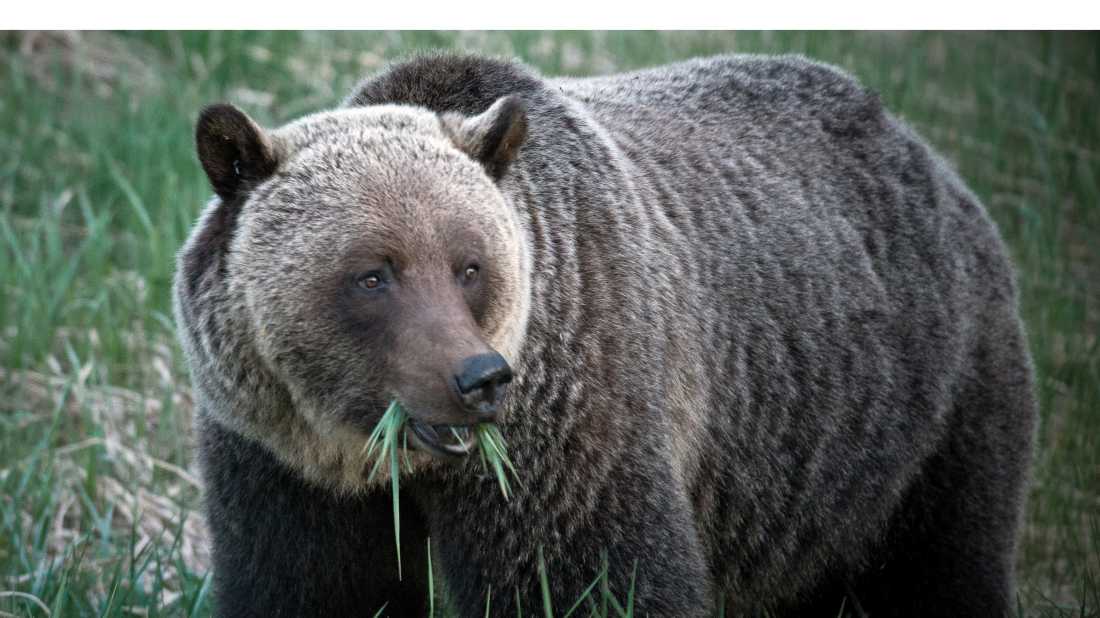
In the backcountry, it’s not bears you need to worry about so much as the bears in your mind. As with shark attacks, rare yet vivid news stories of attacks play on our fears. The reality is that most bears want nothing to do with us, can sniff us from miles away, and will quickly melt into the forest. Black bears are more common than larger Grizzly bears, and tend to be food motivated and surprisingly timid. They’re attracted to garbage and food, not hikers or cyclists. Should you encounter a black bear, stay calm, don’t run, make yourself look larger by raising your hands, speak firmly, and back away slowly.
Grizzly bears are a different beast: bigger, faster, and more aggressive, especially if there are cubs around. Your behaviour is much the same as with a black bear, except you want to show submission as opposed to dominance. Avoid direct eye contact, speak softly, and back away. Most Grizzlies will leave you alone, but when they don’t, it can get serious, which is why bear spray is essential. When it comes to bears, you’re trying to avoid surprise. Make yourself known by attaching bear bells to your pack, clapping your hands, speaking loudly, or humming a tune. I’ve only had one Grizzly encounter and once he got a whiff of us, he took off at high speed in the opposite direction. This is how most bear encounters go (at least for those who are aware the bear is there in the first place).
Moose
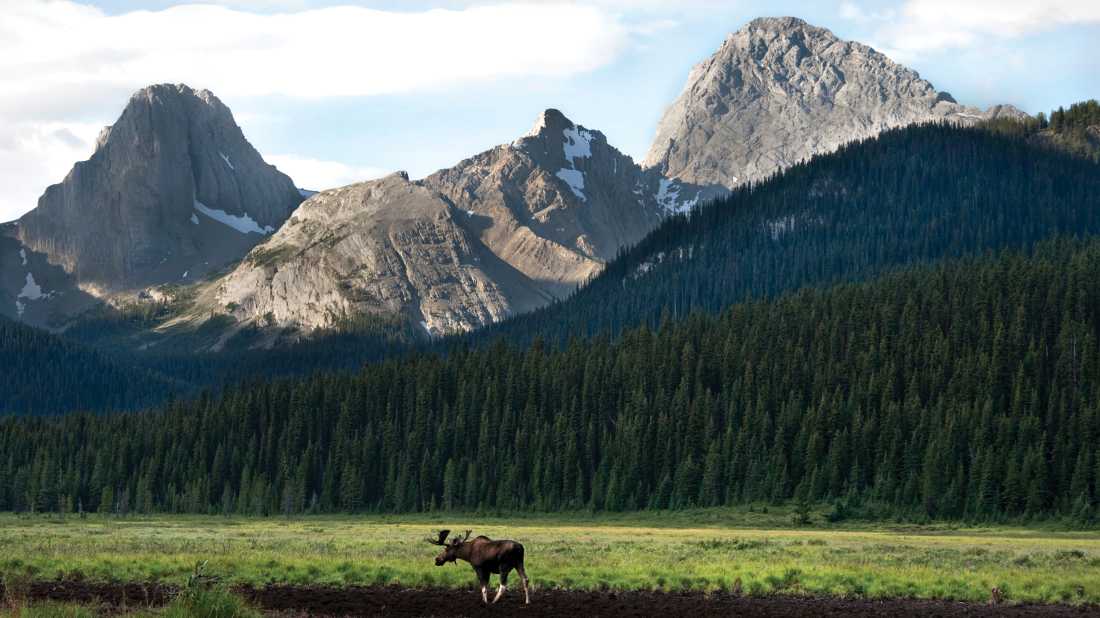
If you ever wonder if nature has a sense of humour, look at a moose. Chopstick legs, a tank of a body, and a heavy head that looks like it would tip the whole thing over. Moose don’t generate much fear in the outdoors, which is ironic as moose cause more injuries than any other large animal in Canada. Not on trails, but on roads and highways, where they are known to spring out of the trees attracted to headlights.
Encountering moose in the wild is rare, but if you do see one, make sure to give it a lot of space, back away slowly, put some trees or rocks between you, and never come between a protective cow and a calf. Stomping and snorting animals are a tell-tale sign for you to hightail it out of there. Moose don’t charge out of fear, they charge to remove a problem, and you never want to be the problem. If you’re driving around Newfoundland, keep a vigilant eye out on the road shoulder, especially at dawn or dusk.
Deer
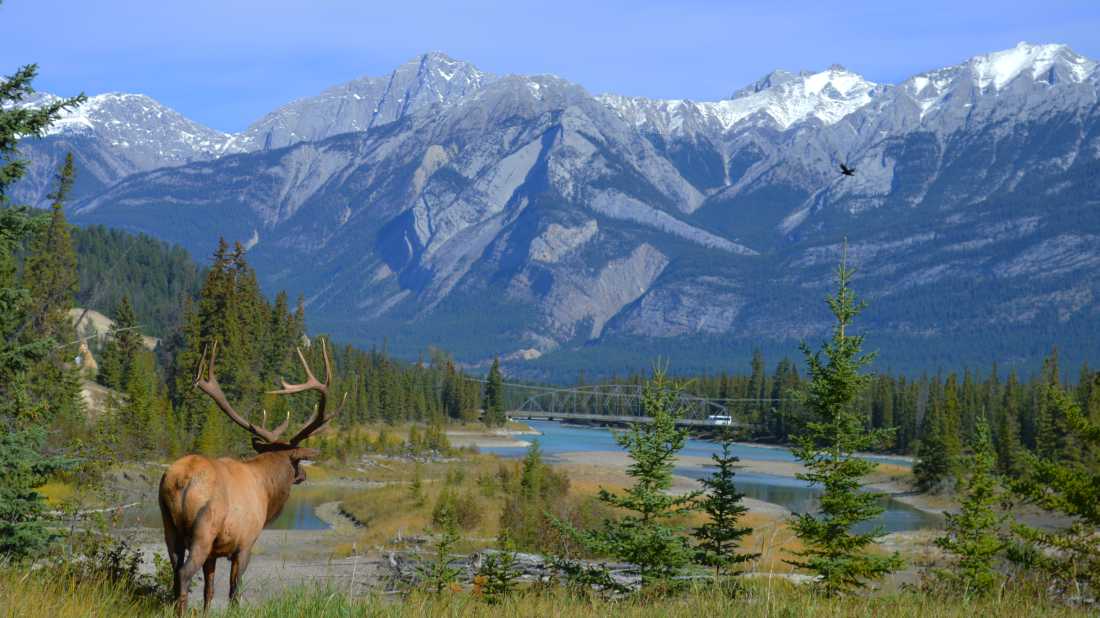
Deer refers to white-tailed deer (the most common species found throughout the country) as well as mule deer, and rarer black-tailed deer along the West Coast. Extremely adaptable, deer thrive in forests, farmland, and even suburban regions, where you might see them munching in someone’s garden or wandering through a townsite. Unless it’s rutting season, they’re generally harmless and are often encountered. As with all wildlife, give them ample space, observe them quietly and never attempt to feed them. Feeding animals teaches them that our presence equals food, which almost always ends badly…for the animal.
In the Rockies, it’s not uncommon to see elk (also known as wapiti) grazing near the Banff townsite. Elk are bigger and bolder than deer, and as such should be given a wider berth. A decline in predators have led to an explosion in the deer population, and in many rural communities they are regarded as pests. For visitors, it’s fun to see a wild animal with doe eyes fearlessly going about its day.
Wolves, Foxes and Coyotes
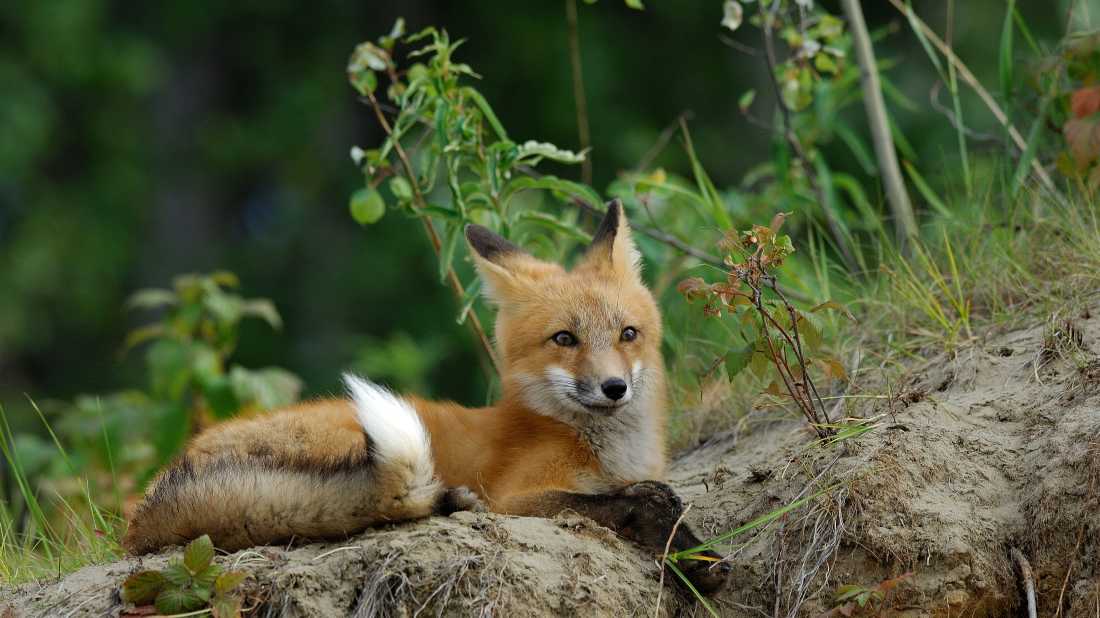
After centuries of trapping and hunting, wolves will do just about anything to avoid humans. If you do happen to see one, it will usually be the flicker of a shadow as it disappears into the thicket. More likely you might encounter a wolf print on the beach. Fox and coyote are more common, especially around urban centres where they are slinky night-time scavengers and largely responsible for Missing Pet posters.
As with all predators, all will quickly size you up if you are worth the effort, and as bigger creatures we seldom are. Stand tall, make noise, maintain eye contact and don’t run. Any run-in with an aggressive coyote is almost always the fault of the human getting too close, or worse, trying to feed the animal.

Whales
Unless you’re spotting whales from the coast, you’ll probably be on a commercial whale watching tour, or kayaking close to the shore. Whales are protected by legal regulations that are strictly enforced, including staying back at least 100 metres (328ft) and never blocking their path or cutting across their direction. As with all animal encounters, remain calm, keep quiet, and just enjoy the moment.
Raccoons, Porcupines, Squirrels and Chipmunks
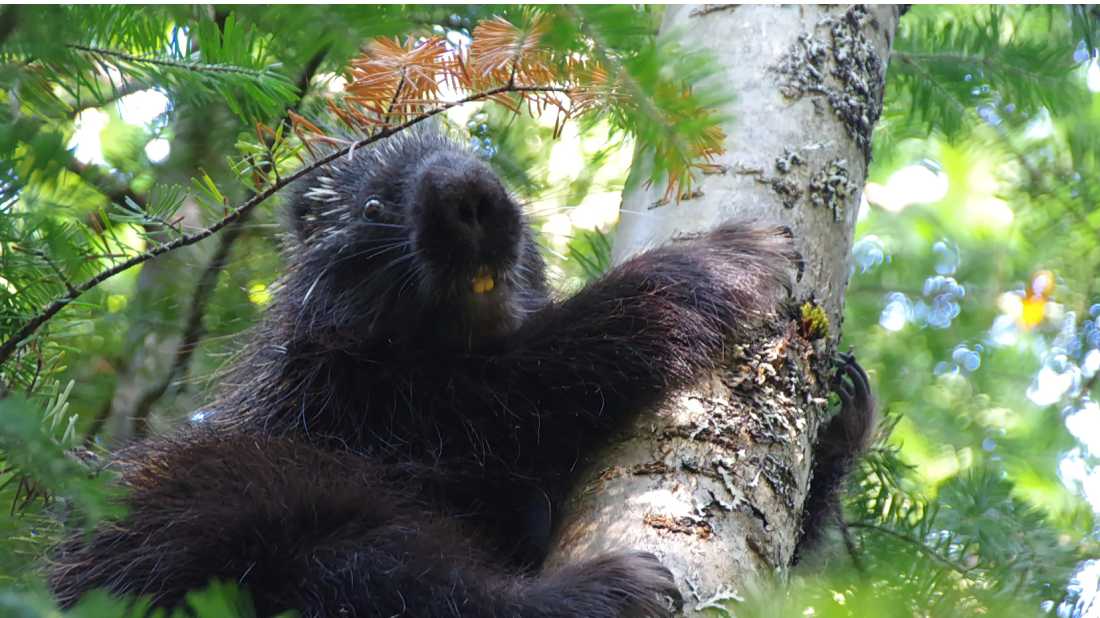
It’s common to see a small critter in Canada. As I type this, there’s a black squirrel outside my window judging me with unnerving confidence. With their bandit eyes, raccoons are impossibly cute, until they decide to nest under your patio or attack your food drop. Porcupines also roam Canadian forests, although I’ve yet to ever see one. Elusive and shy they are attracted to salt in any form.
Backcountry campers and forestry workers who leave boots, gloves or sweaty socks outside might find them chewed up overnight, and porcupines are the culprit. Share the space, keep your distance, and have fun observing these spiky northern residents.
Don’t be ‘That Person’
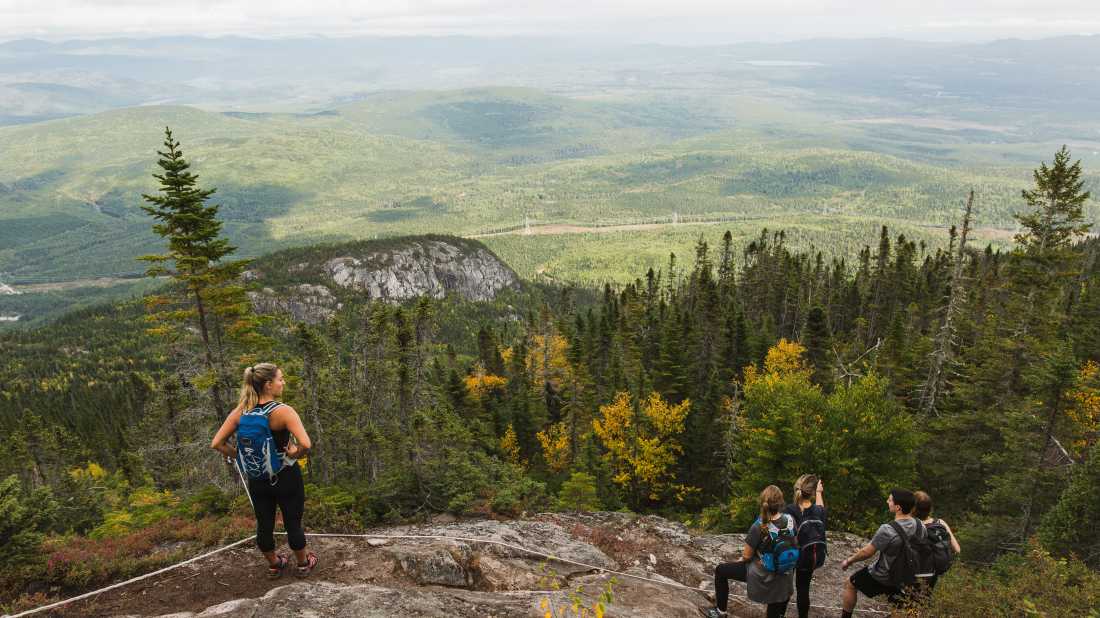
Having a responsible wildlife encounter is usually determined by our actions before we have any actual encounter. This means sticking to known trails to minimize habitat destruction and avoid any surprise encounters. Store food properly, never keep food in a tent, use bear lockers, pack everything out and never, ever feed a wild animal. When taking photos, use your zoom as opposed to getting closer. If you stay still and the animal approaches you, don’t try and touch it.
Nature is not a zoo, and these are not your pets. If someone around you doesn’t understand this concept, give them a reminder. Like the Lorax who speaks for the trees, we are advocates for the animals who might bite and stomp, but don’t have a voice. The most powerful wildlife encounters are the quiet and unexpected moments that last just a few seconds, but create lifelong memories.
Robin Esrock is the bestselling author of the Great Canadian Bucket List.