Wildlife
Hiking the East Coast Trail in Newfoundland offers a chance to encounter a rich array of wildlife, both on land and offshore. The trail traverses a variety of habitats, which support diverse species, including those that are native to the island and migratory visitors.
There are no large predators or venomous insects on the Avalon Peninsular. Mosquitoes are most active in spring and early summer, but coastal trails benefit from stiff onshore breezes that assist in keeping them at bay.
Moose
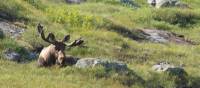
The largest mammal you may encounter is a moose, and while there’s no shortage of them in Newfoundland, they do tend to steer clear of human activity. Moose are the largest members of the deer family, and they can be found throughout the province, including areas around the East Coast Trail. Known for their impressive size, bulls can weigh over 1,000 pounds, and sport antlers that can span six feet across.
Foxes and Coyotes
These canines are native to Newfoundland and are occasionally seen by hikers. They are generally elusive, but you might catch a glimpse of them in the more remote sections of the trail.
Whales
The waters off the East Coast Trail are a prime spot for whale watching, especially between June and August.
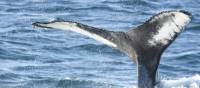
Humpback Whales: Newfoundland is known for having the world’s largest population of humpback whales, migrating annually to feed on capelin, krill, and squid. They can often be seen displaying exuberant and playful behavior in the ocean along the East Coast Trail.
Minke Whales: These smaller baleen whales are frequently spotted off the coast during summer months. They are known for their sleek, streamlined bodies and are often curious around boats, making them a common sight on whale watching tours.
Fin Whales: The second-largest animal on the planet, fin whales are another species that migrate to the waters off Newfoundland. They are known for their distinctive colouration, with a light underside and a dark gray back, and might be spotted feeding in the area.
The waters off Newfoundland are also visited by a variety of other whales and dolphins, including sperm whales, pilot whales, North Atlantic right whales, and white-sided dolphins.
Seabirds
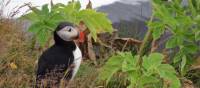
Puffins: These colorful seabirds are a favorite among birdwatchers. Newfoundland is home to several puffin colonies, and while they are more commonly found on offshore islands, it's possible to see them from the coastal cliffs along the trail during the breeding season.
Other Seabirds: The trail provides opportunities to see gannets, petrels, guillemot, cormorant, shearwaters, and other seabirds, which are attracted to the rich marine ecosystems of the North Atlantic.