Blog home / A Field Guide to the Regional Culture of Canada
By Robin Esrock
Nothing tests my journalist prowess like trying to describe a Canadian. This is because Canada doesn't have one culture, it has a half dozen, crammed into a mosaic of accents, cuisines, weather systems, and unspoken cultural codes. Canadian culture feels like a variety box of chocolates: you get the same general idea, but wildly different tastes depending on which one you bite into. That said, Canadians tend to be modest while possessing a great sense of humour. With that in mind, allow me to introduce regional stereotypes across each distinct region. Visitors can get a better idea of what to expect, while Canadians will enjoy picking it all apart.
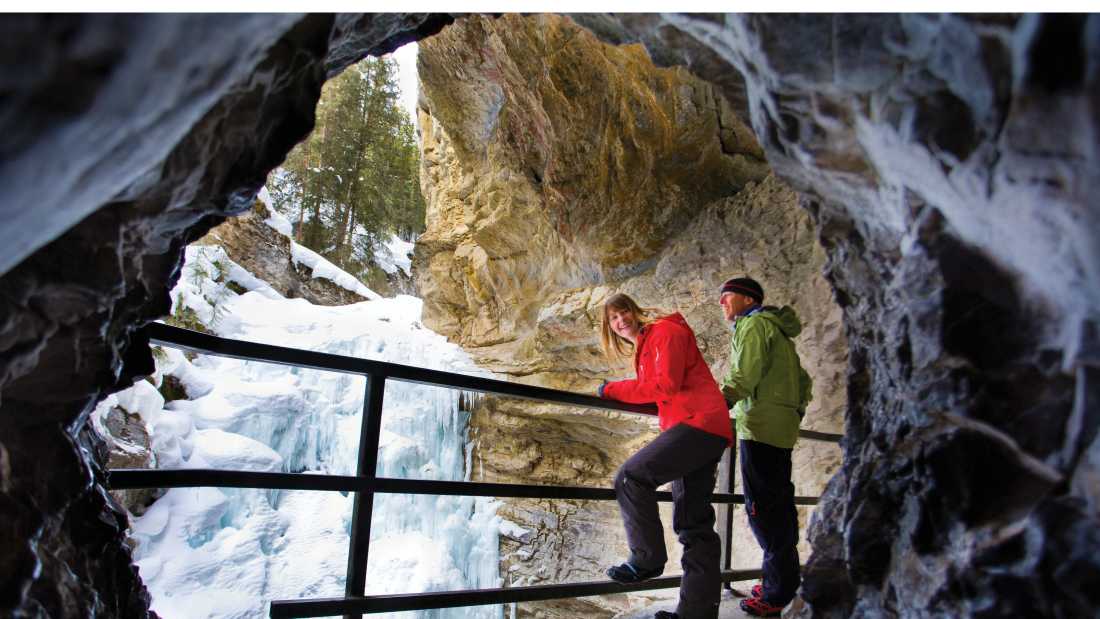
The West Coast and Rockies: Born into Gore-Tex
On the West Coast, people don’t ask what you do for work, they ask what you do for fun. Social calendars often revolve around sunny breaks, trail conditions, and your latest mountain biking, skiing or hiking adventure. Blessed with the privileged of not being buried under snow for most of the year, it’s enjoyable to be outside most of the time. West Coasters share strong opinions about PFAS-free Gore-Tex, hoppy craft beer, mushroom foraging, real estate, atmospheric rivers, and how to behave when encountering a bear. Their cuisine reflects a healthy, nature-forward vibe, with an abundance of wild sockeye salmon, outrageously good sushi, local berries, and enough quinoa to insulate a small condo. The West Coast can project a blend of environmental consciousness and mild smugness, like someone who composts, but also wants you to know they compost.
British Columbians are a beautiful, annoyingly healthy people, and surprisingly diverse. You'll hear Cantonese in Richmond, Punjabi in Surrey, and a smorgasbord of accents. People move here from all over the world because it’s stunningly beautiful and compared to the rest of Canada, it’s Hawaii. Should you spend a week immersed in B.C’s rugged coastal rainforest, mountains or interior lake country, you'll want to move here too. Spend a week navigating Vancouver traffic, and you’ll want to move to Vancouver Island.
The Rockies in Alberta share this similar outdoor code but with a cowboy accent and a large pickup truck. In Banff and Canmore, trail conditions mean everything, the preferred beverage is something fermented in a garage, and the preferred life philosophy can be distilled into the phrase: if you're not in the backcountry, you're not really living. Visitors often mistake West Coast politeness for friendliness, but be forewarned that mild weather tends to breed mild personalities. Given their constant outdoor busyness, it’s rare to be invited into someone’s home after meeting them in a coffee shop. For that, you need to visit the prairies.
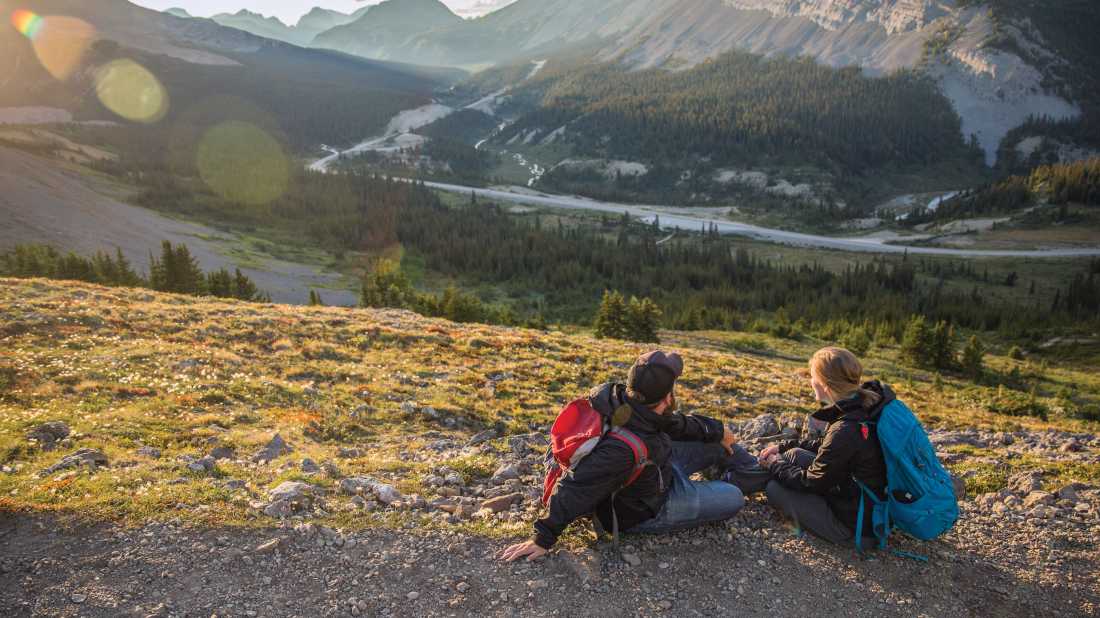
The Prairies: Straight Shooting Salt of the Earth
Cross the Rockies and the sky opens up like the release of a long-held breath. The prairies are massive, honest, and deeply underrated, much like the people who live on them. Saskatchewanians and Manitobans are the kind of folks who will help you fix a flat tire in an icy January blizzard, then invite you to their homes for hearty homemade soup. They will roll their eyes when you mess up the pronunciation of “Regina.”
Prairie culture runs on self-deprecating humour and an aggressive lack of fuss. Local cuisine is built for endurance: perogies, cabbage rolls, and butter tarts that can fuel a harvest crew. It is where lentils, mustard seed, soya, grain, sunflowers and chickpeas grow in such abundance it literally feeds the world. Distances between towns make “a quick drive” about four hours. Humility wraps the quiet prairie toughness like a corn husk. People mean what they say and say what they mean, and community is deeply important. Prairie people don’t need to brag about anything. They just quietly keep the country running while everyone else takes selfies.
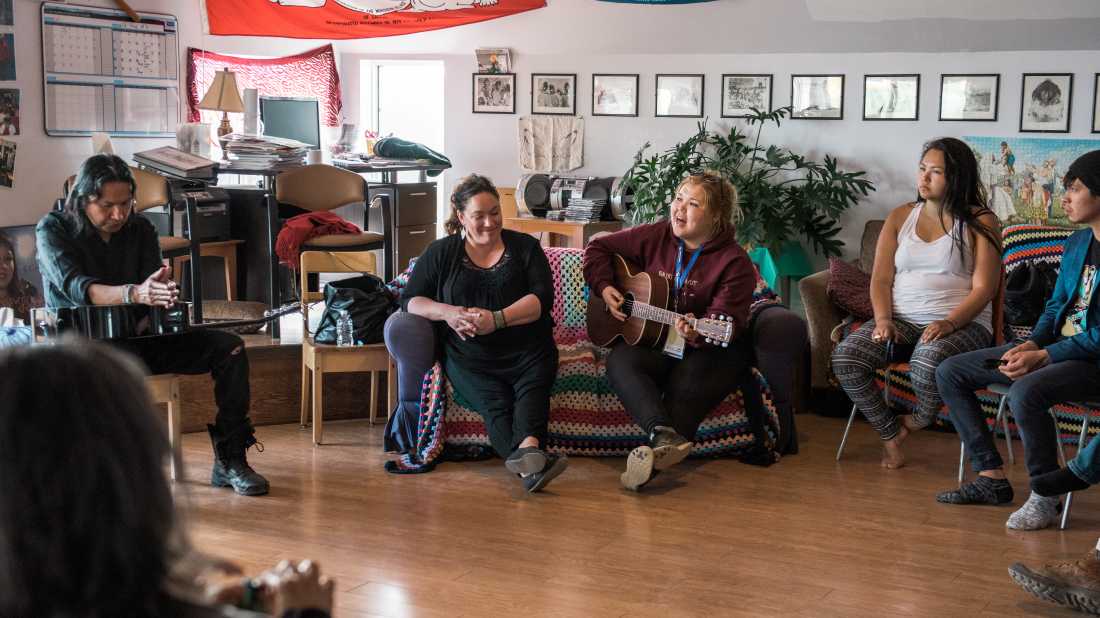
The Territories of the North: Where Canada Gets Real
Northerners are a self-selecting population who could live anywhere else yet choose here, alongside Indigenous communities who have called this land home for millennia. Together, they share a matter-of-factness about conditions that would challenge most Canadians.
Minus-50 winters, no cell service, the nearest hospital being a three-hour flight away, whatever. People who live above the 60th parallel are made of a different spice. Daylight is not guaranteed. Depending on the season, it might be sunny for 24 hours, or the sun may be absent for months. Northerners discuss about heroic blizzards the way most people talk about traffic. They are incredibly resilient, resourceful, and unshakeable. If you complain about the cold, they won’t argue. They’ll simply look at you the way you’d look at a toddler crying because their ice cream is too cold.
Conversation in the North has its own rhythm, with fewer words and more meaning. There’s an understated humour here, sharp as ice but seldom cruel. There’s also a strong cultural richness, particularly in Inuit and Indigenous communities, which gives the North that deep sense of identity often lacking in the South. Traditions, storytelling, and connection to the land aren’t lifestyle choices, it’s survival knowledge. Northern food reflects this: Arctic char, caribou, bannock, wild berries, and whatever is available when stock is low in the North Mart. As a result, the North produces Canadians of extraordinary competence. They can fix a snowmobile engine, read weather in the clouds, and make bread over an open fire. They find it slightly amusing that you're impressed by any of it.
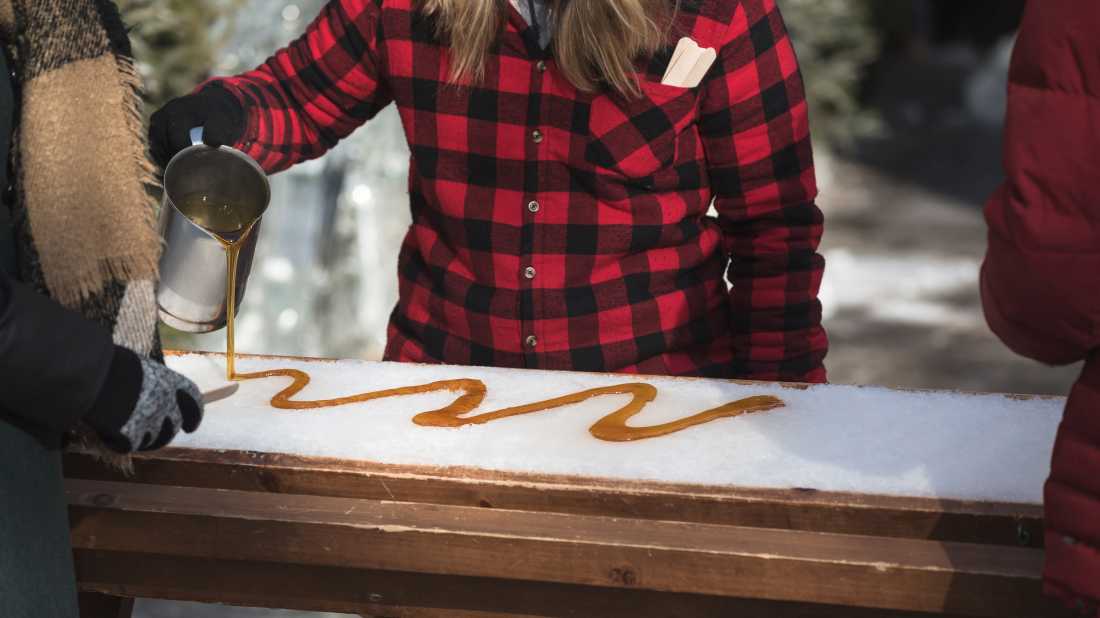
Quebec: A Nation Doing a Province's Job
Visitors might think Quebec is simply Canada wearing a beret. More accurately, Quebec is a distinct civilization. When you cross into Quebec, you’ll notice this difference immediately: the signage, the music, the language, the food and the general atmosphere all shift dramatically.
French culture is fiercely protected, celebrated, and wielded like a magical sword. Compared to the French spoken in France, its dialect is far richer, older, and considerably more fun to listen to at a party (swearing in Quebec is a respected art form). The Quebecois are expressive, opinionated, and dramatic. They don’t do small talk the way other Canadians do. They do big, animated talk about art, politics, food, and why Quebec is better than any other province.
Mon dieu, the food. It is the birthplace of poutine, but not the sad frozen-fry version the rest of Canada reluctantly accepts. Real poutine means hand-cut fries, squeaky fresh cheese curds, and a gravy so rich and decadent it can melt a winter storm. Expect tourtière at Christmas, sugar pie, stacked smoked meat sandwiches, and an abundance of maple syrup flowing through the veins of the province. Bring your appetite, some rudimentary French, and the humility to understand that you are visiting somewhere genuinely different.
The Maritimes and Atlantic Canada: Thank Cod for the Good Times
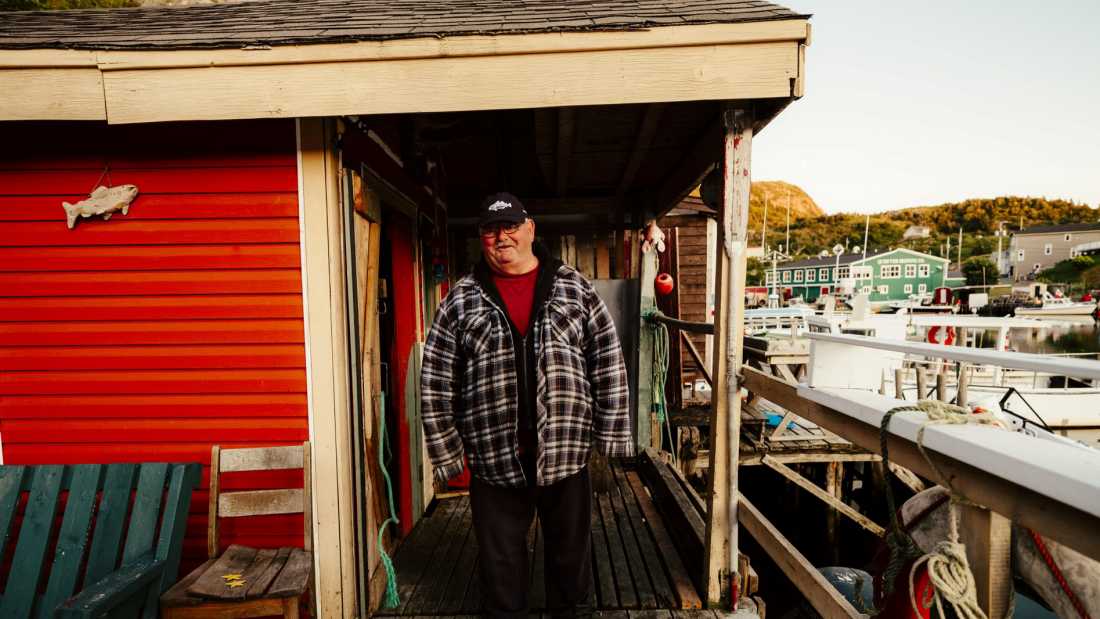
Welcome to the salty ocean heart of Canada, a region where everyone knows everyone's grandfather. Locals wave at strangers, the pace slows down, and conversations stretch for days. Maritime culture is built on community, storytelling, and the understanding that since the sea giveth and the sea taketh away, you might as well pour another drink while you can.
They are the storytellers of Canada. Bump into someone at the grocery store, and it might turn into a ten-minute saga involving storms, cousins, and a lobster boat that sunk in 1993. Their humour is dry, self-deprecating, and delivered with a flourish suggesting you don’t know the half of it. You’ll encounter folks who stop for impromptu fish shopping in a community parking lot. The accent is globally unique, stacked with dropped g's and expressions that go back to the days of Scottish and Irish settlers. There’s a musical lilt, like the ocean somehow leaked into the vowels. Cuisine is heavy on the seafood: lobster rolls, scallops, chowder, clams, mussels, fish and chips, and for the braver visitor, cod tongues.
Newfoundland could be its own country, and until 1949, it actually was. Newfoundlanders are the Canadians most likely to greet you like a long-lost cousin, most likely to have a nickname for their nickname, and most likely to break into song without asking. Their accent is technically English but it sounds like a language that evolved in isolation on an island in the North Atlantic for four hundred years. The persistent fog smells faintly of seaweed and butter, and if you listen carefully, it’s probably telling you a wild story.
Ontario: Hogging the Attention
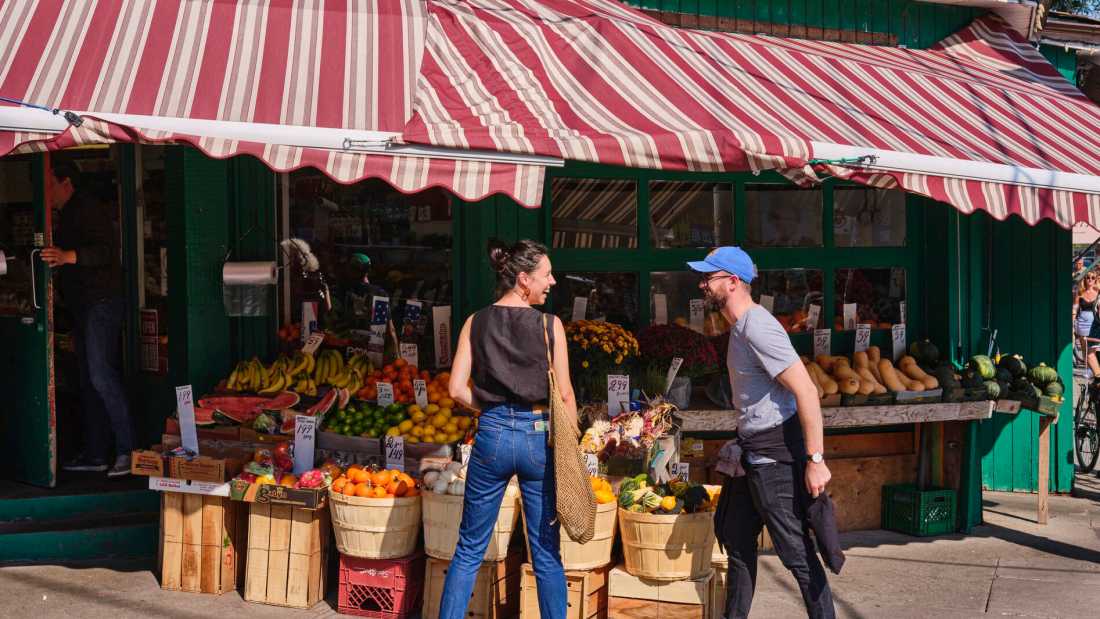
Ontario is Canada's centre of gravity. Everyone else has a chip on their shoulder about it, but moves here anyway. Torontonians have perfected a kind of confident cosmopolitanism, with a genuinely extraordinary food scene. Kensington Market, St. Lawrence Market, Little Italy, Greektown, Little Portugal, Chinatown – it’s a city masquerading as a food court.
Ontarians are practical, ambitious, and perpetually juggling traffic and a calendar full of obligations. Cottage country is where Ontarians go to reconnect with their souls, usually by a lake while swatting mosquitoes the size of drones. Canada’s capital, Ottawa, is a city of bureaucrats who are very nice about being bureaucrats. They queue politely, gladly hold doors open, and apologize when you bump into them. The accent of Ontario is one of neutrality that newsreaders aim for, giving it an inoffensive regional character, much like the province itself.
Outside the big cities, small town Ontario is chipper, cheery, and fun to explore. In a country blessed with surprising diversity, Ontario is the crossroads where everyone comes to work, argue, and eat.
Robin Esrock is the author of The Great Canadian Bucket List. He has eaten his way through every province and territory multiple times, with the waistline to prove it.