Blog home / What a Supported Self-Guided Trip Looks Like
Self-Guided Doesn’t Mean Alone:
What a “Supported” Trip Actually Means
By Robin Esrock
When you picture a self-guided adventure in the Canadian wilderness, it may sound a little… intense. Take it from someone who lives in a city, drives a mini-van, and walks a golden doodle around the neighbourhood. The idea of a challenging, pack-in pack-out trail has some appeal, but so does sleeping in a comfortable bed and eating food that doesn’t need to be rehydrated over a camp stove. And, while there’s something to be said for the safety and company of guided group travel, there’s more to be said about the flexibility to go at your own pace, especially on a multi-day hike or bike ride. Consider a self-guided itinerary as providing the best of both worlds.
This summer I was riding Great Canadian Trails’ Best of Nova Scotia itinerary, and saw a tractor ploughing the red soil of a farm near the Bay of Fundy. A perfectly positioned bench invited me to brake, dismount, and savour a scene so idyllic I thought I’d wandered into a tourism commercial. Not everyone might appreciate the moment, and I know this because I was riding with my dad, and he was keen to keep moving. When it’s your trip, it’s your rest breaks, and my dad had certainly taken enough of his own.
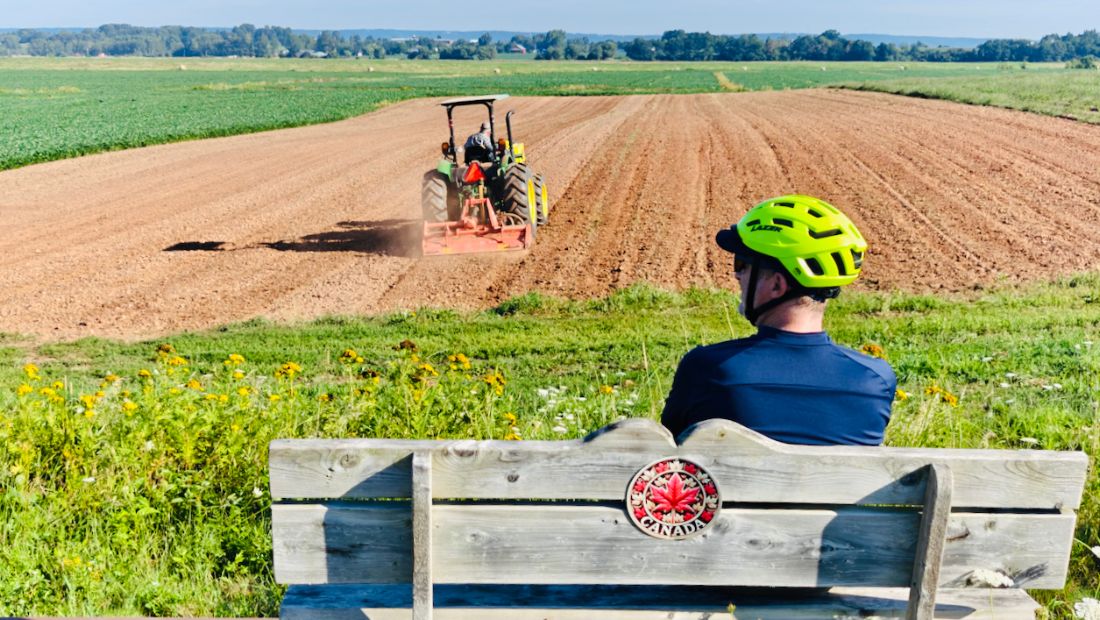
Self-guided simply means you’re the primary decision-maker of your own day. Unchained from the goals or whims of a larger group, it doesn’t require any logistical experience. With the help of a specialized GPS map and a goal of reaching the evening’s accommodation, much of the day’s shape lies with you. How long do you want to take to get there, where do you want to rest, what do you plan to do and see along the way?
Let’s explore what Great Canadian Trails' supported trips actually look like.
Your Suitcase Travels Better Than You Do
An underrated luxury of any supported outdoor trip is the opportunity to hike or ride without the baggage. In this case, your bags or cases are shuttled up ahead to homely B&Bs, inns or hotels, waiting in your rooms by the time you roll in. The person responsible is GCT’s local support, and local does some heavy lifting (or in the case of bikes, actual lifting too). Local means you’re connected with someone who will shuttle you between trailheads and across unpleasant road stretches, allowing you to skip some less spectacular bits and make the most of your time. Since you only need to carry essentials (water, sunscreen, layers, snacks), your daily load is light, but you can still dress up for a fancy dinner in the evening.
Some people love heading into the backcountry with a heavy pack on their backs, or riding across the country hauling their possessions on a rear tire. The rest of us want to maximize our focus on the terrain, views and experience, and celebrate with a cold beer or glass of wine at the end of the day. That said, I do recommend packing light to ensure a quick and easy getaway in the morning. Enjoy breakfast, leave your bags by the door, and away you go. By late afternoon, your bags will have beaten you to the next stop.
Route Notes and Navigation: Freedom from Getting Lost
Route or trip notes used to mean a stapled booklet; today, they’re available in a handy, free phone app. This allows all the spontaneity of discovery without the underlying dread of getting lost. Great Canadian Trails’ app provides a step-by-step interactive map, optional audible directions, information on key sites, and any practical details you might need along the way. You don’t have to worry about data, going off-grid or getting an international plan either, as the app works in airplane mode.
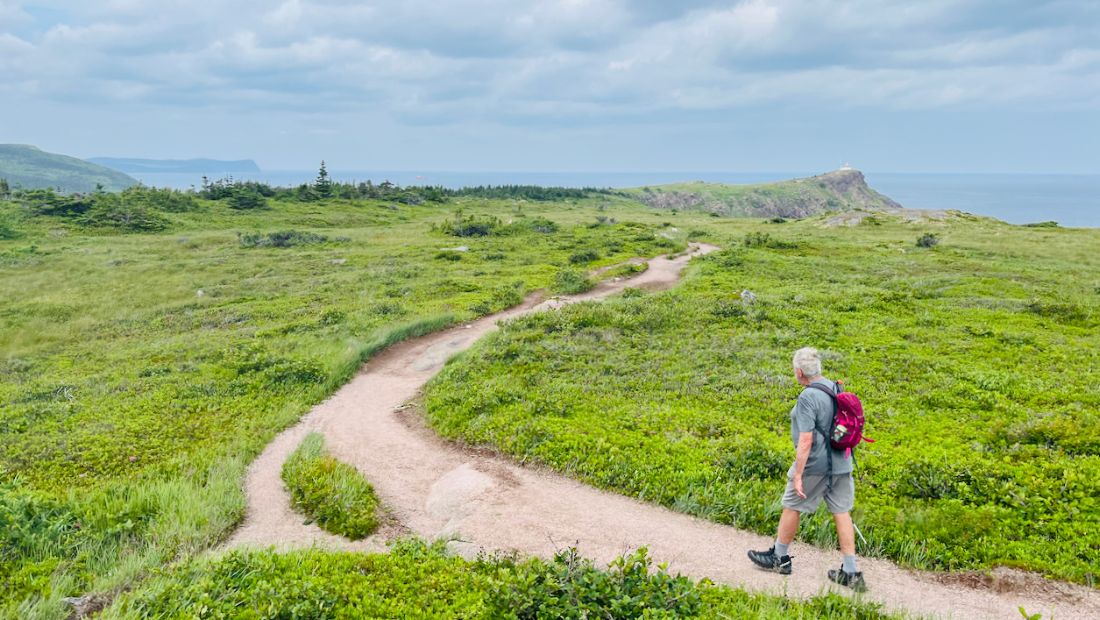
Hiking on the East Coast Trail, I set mine to ping me at intersections, and spent the week focused on the trail and looking for whales, letting the app guide me forward. The app also sets expectations by telling you how far you’ve come and how much further you have to go.
Rail trails largely navigate themselves, although the app ensures you won’t take the wrong turn at intersections and you’ll easily manage the occasional detour. Integrated within the app are notes about the day’s route, accommodation, landmarks, and the contact details of who to call if you need them.
You’re Never Truly Alone
When heavy rain followed a baking hot day on the East Coast Trail, we ditched our ambitious full-day hike and requested a drop-off for a shorter, less challenging walk. Supported means you’re not on your own, and you always have a lifeline. If the skies open up and unfold sheets of torrential rain, or if your knees decide halfway they’ve had quite enough, you aren’t stranded. Help is just a phone call away. Supported also means there’s always a back-up plan. It’s hard to overstate the reassurance this all provides, because on my various ‘unsupported’ adventures around the world, it’s amazing how vulnerable you can suddenly feel without a Jamie or Sarah at your back. GCT tends to find locals who not only embody the destination, they happen to be the right people to call if something goes sideways.
On the Bike Front
You don’t need to hand your expensive bike over to the unpredictable airline gods. Local companies provide excellent, well-maintained bikes and e-bikes, complete with repair kits, locks and helmets. Bikes join you on the shuttle if and when needed, and in the rare event there is a problem, they can be easily replaced. If you’re new to the e-bike phenomenon, instructions are quick, simple, and riding one is as easy as…well, riding a bike. At the end of the trip, the shuttle returns your bikes to the rental shop, without the hassle of disassembly.
Know what you’re signing up for
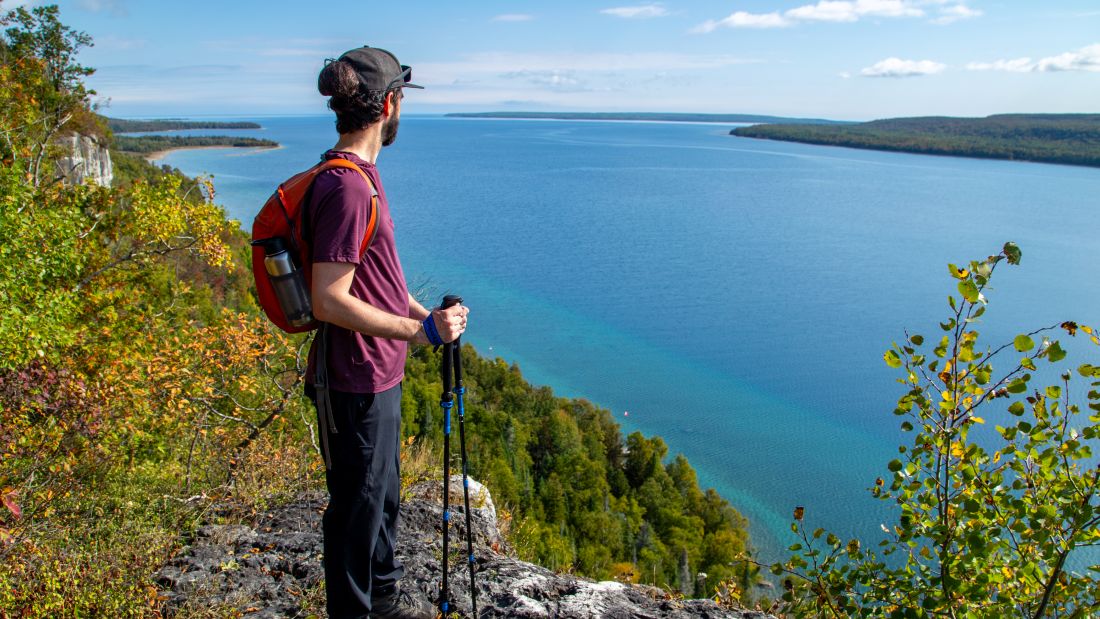
Now that you have an idea of what “supported” means, it’s worth understanding what it doesn’t. Support handles logistics, but it won’t hike or pedal for you. Great Canadian Trails trip gradings run from Discovery and Cruising to Challenging, and the descriptions are clear. Introductory means up to five or six hours a day of walking, cycling or paddling at a slow but steady pace. Hikers on Introductory to Moderate trips typically carry a daypack only, though it could weigh up to 9 kilograms (20 pounds). You’re still signing up for an active outdoor adventure, which is why you probably found GCT in the first place. If you’re unsure, read the trip notes or give the GCT team a call.
A self-guided, supported adventure comfortably falls somewhere between a passive sightseeing tour and a true outdoor expedition. It allows you to focus on the destination, food, culture and people, while leaving the logistical heavy lifting to GCT’s experienced team on the ground. As for me, I’m happy to focus on exploring the destination while leaving the hardcore stuff to the pros.
Robin Esrock is the bestselling author of The Great Canadian Bucket List