Blog home / Beyond Mountains and Maple Leaves: Canada's Great Landscapes
By Robin Esrock
Canadians are famous for their modesty, but modesty is a terrible spokesperson for geography. This is why you might hear locals describe our country's landscape as one of “trees, mountains, and snow.” After a dozen years visiting every province and northern territory, I can assure you that Canada is not one landscape on repeat across ten million square kilometres. Putting the cultural differences aside, Canada contains at least seven distinct landscapes, each with its own climate, light, and quirks. I've pedalled, hiked, driven, and occasionally wheezed my way across all of them, so let’s start with the showstoppers:
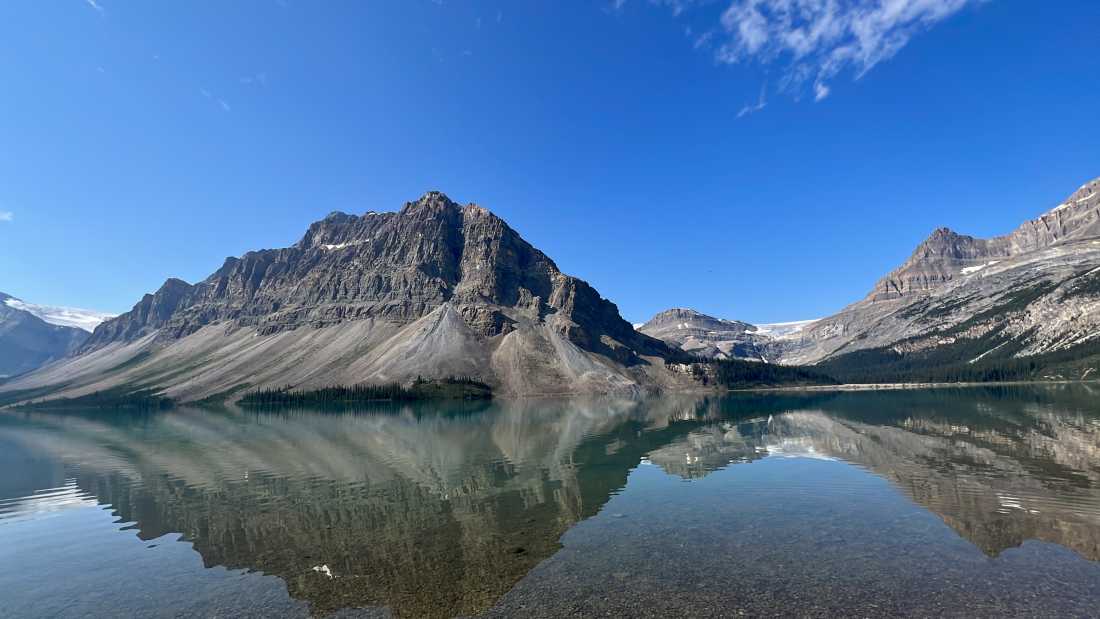
The Mountains
The Canadian Rockies get all the postcards, which fail to capture the emotion one feels in mountains, or even the sounds you might hear. There’s the low creak of glaciers, silence between the peaks, birdcalls in the valleys, wind in the pines. It’s quite something to stand beneath a wall of limestone that was once the floor of an ancient sea, peaks that have buckled upward over tens of millions of years by the crunch of merging continents. Alberta and British Columbia share this vertical real estate, with the Rockies doing double duty for both the scenery and the thermostat. The continental divide wrings moisture out of Pacific air on one side and leaves the interior bone-dry on the other. Exploring the Rockies by foot or bike is a lesson in geography, and eye candy for the soul.
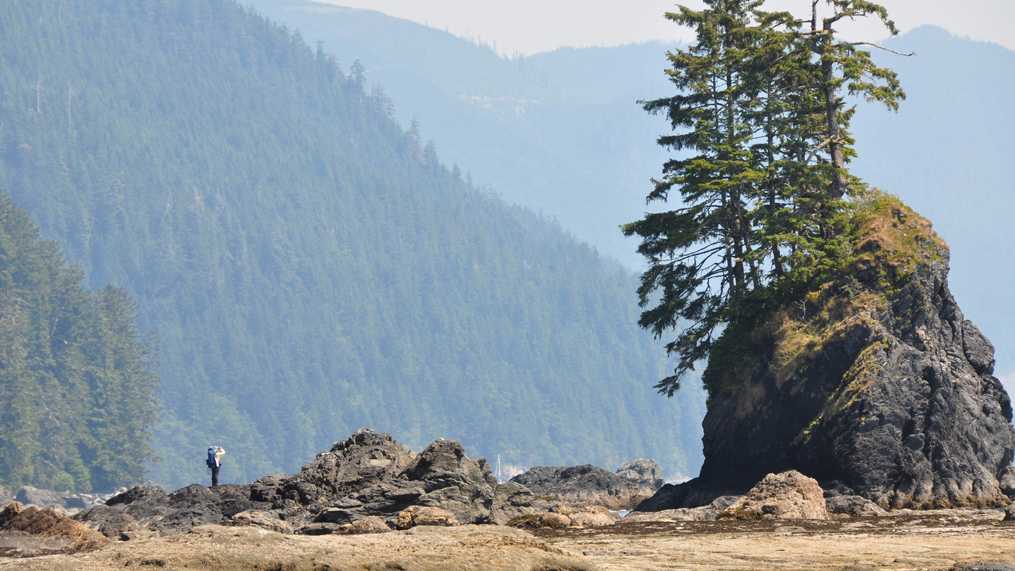
The Coasts
Canada is the only G7 country that touches three oceans, with each ocean carving a different landscape and character. Our coasts resemble three siblings who grew up in the same house but turned out nothing alike. The Pacific coast is moody and vertical: think fjords, rainforest, fresh mist and islands wrapped so densely in cedar it swallows the sound. The Atlantic coast is weathered and stark, with its cobblestone coves, saltbox houses, and a wind with strong opinions about the choice of your jacket. The less-visited Arctic coast is ice-scoured and treeless, where the ocean is locked under sea ice so thick you can drive on it. The Pacific and Atlantic are contrasted beautifully with two very different legendary hikes: The West Coast Trail and the I've hiked both, and despite sharing the coastal trail name, they are different animals. Newfoundland's East Coast Trail might reveal icebergs, whales, and abandoned outport villages within the same afternoon, with flat, forgiving stretches to let the drama unfold from the scenery, not the effort. Vancouver Island's West Coast Trail is a rainforest gauntlet of ladders, suspension bridges, and tide-timed beach crossings where the trail itself is the challenge, immersed in old-growth forest and windswept beaches. Despite its name, the North Coast Trail isn’t on the Arctic Ocean, but follows a challenging trail on the north coast of Vancouver Island.
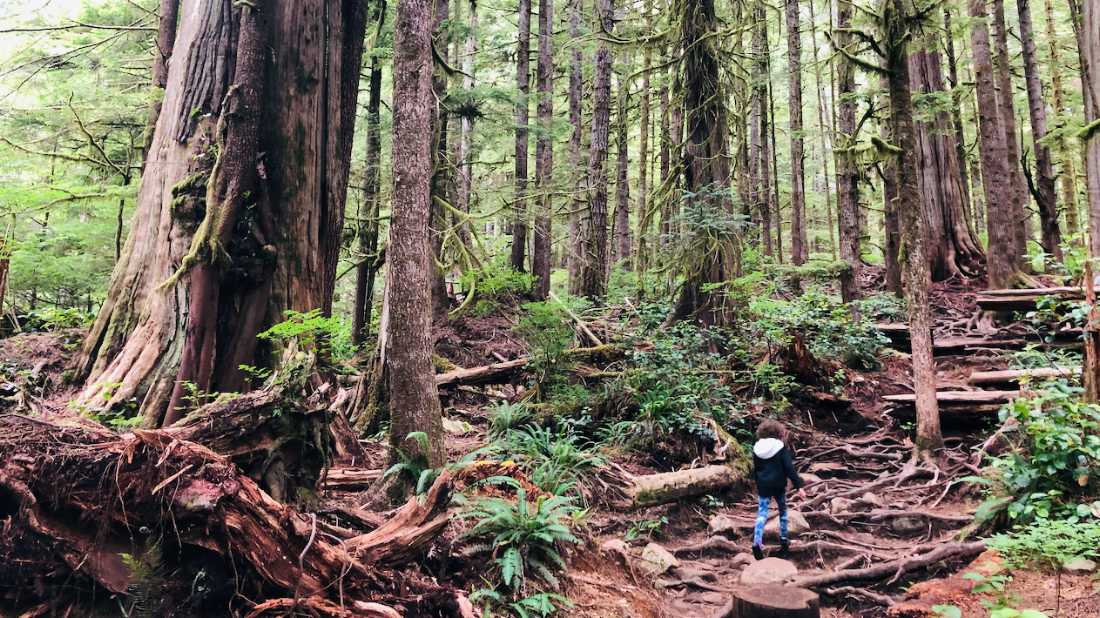
The Forests
About one third of Canada is boreal forest, the largest intact forest ecosystem on Earth. With millions of lakes and rivers, it also contains 25% of the world’s wetlands. The word ‘forest’ doesn’t do justice to the enormous variety of trees in the boreal. The mossy temperate rainforest of coastal British Columbia has almost nothing in common with the boreal forest that stretches across the middle of the country, or the hardwood stands of Quebec and Ontario. Canada is a land of spruce, pine, tamarack, aspen, birch, fir, and the maple, of course, which adorns our flag. You could drive for days across the country and still remain within the boreal forest, so just imagine hiking or cycling it. Dense and seemingly impenetrable, our forests are home to a staggering variety of bio-diversity, communities, industries, and outdoor adventures to appreciate the forests and the trees.
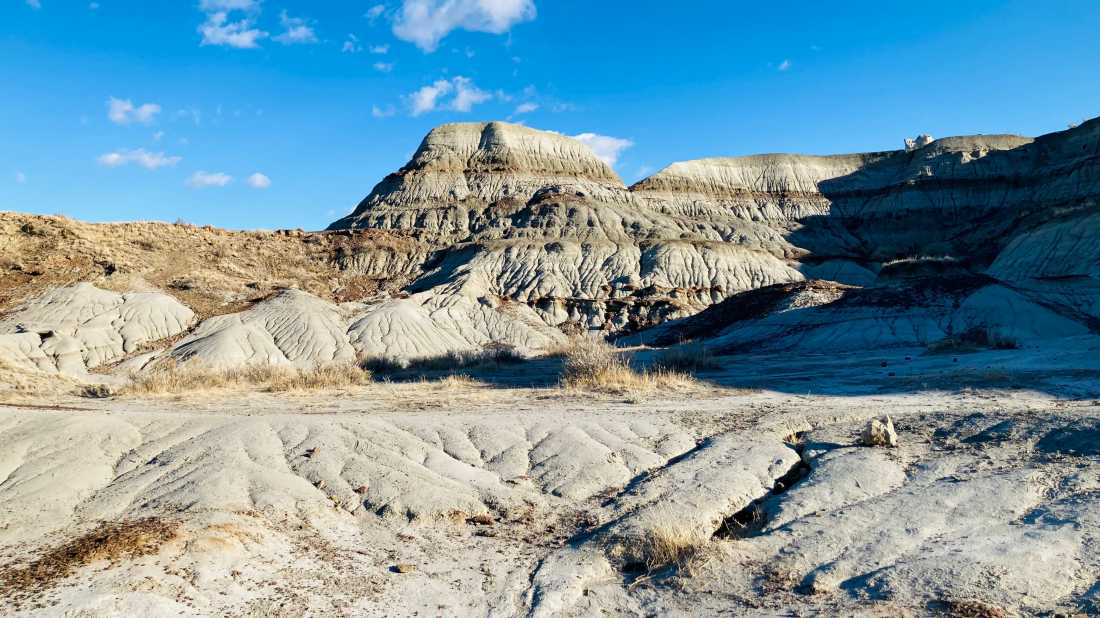
The Badlands, and a Desert Too
Drive a few hours southeast of Calgary and the trees vanish entirely, replaced by hoodoos, coulees, and the sun-cracked, layered rock of the Alberta Badlands. Carved by retreating glacial meltwater, it’s an alien landscape where palaeontologists keep pulling dinosaur bones straight out of the hillsides. Many visitors are surprised to find a landscape so arid in the north, and just wait until they stumble onto Canada's only true desert. Located in the Okanagan Valley near Osoyoos, you'll find sagebrush, rattlesnakes, and antelope-brush found almost nowhere else on the continent. Reflecting the contradictory nature of Canadian terrain, this same valley also grows some of the country's best wine grapes, celebrated with the annual Half Corked Marathon through a dozen award-winning wineries.
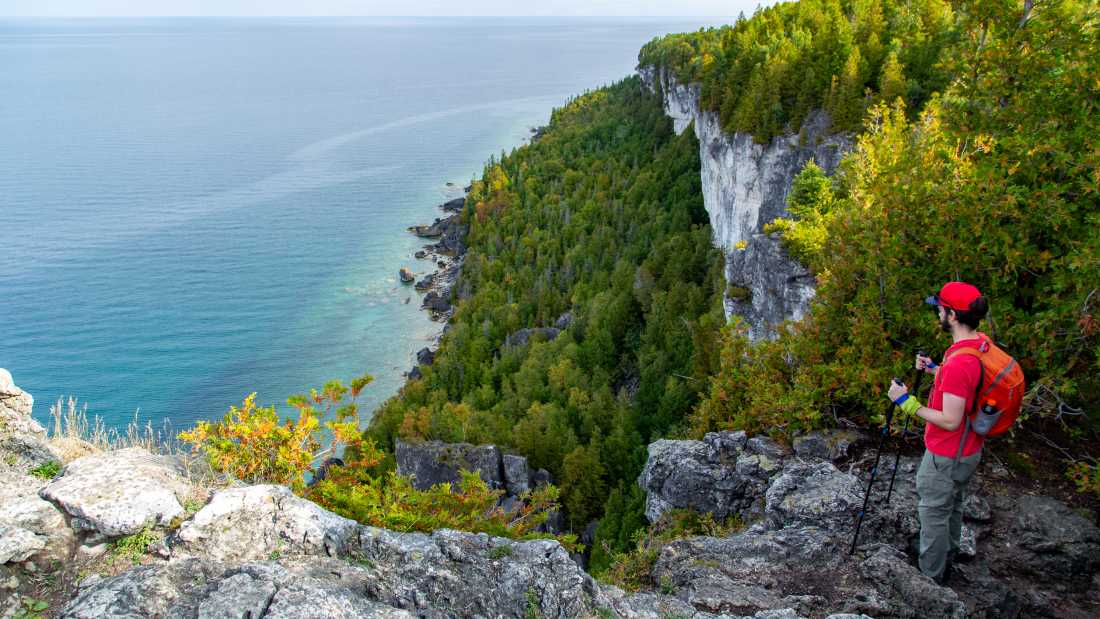
The Canadian Shield
Stretching across five provinces, Labrador, and much of northern Canada is the Canadian Shield, the geological backbone of Canada. This slab of exposed Precambrian bedrock contains rocks up to four billion years old, among the oldest exposed rocks on Earth. Formed by glaciers scraping away soil to the bedrock, the Canadian Shield is a vast landscape of black granite, wind-bent forest, lush wetlands and sparkling lakes. The literal bedrock of the country is rich in beauty, and mineral deposits too. From mining to forestry to hydro-electric power, the Canadian Shield is instrumental in Canada’s economy. Whether you’re hiking the Bruce Trail, riding the Rideau Heritage Trail or taking on Quebec’s Train du Nord, you’ll be exploring the beauty of the rocky, forested Shield.
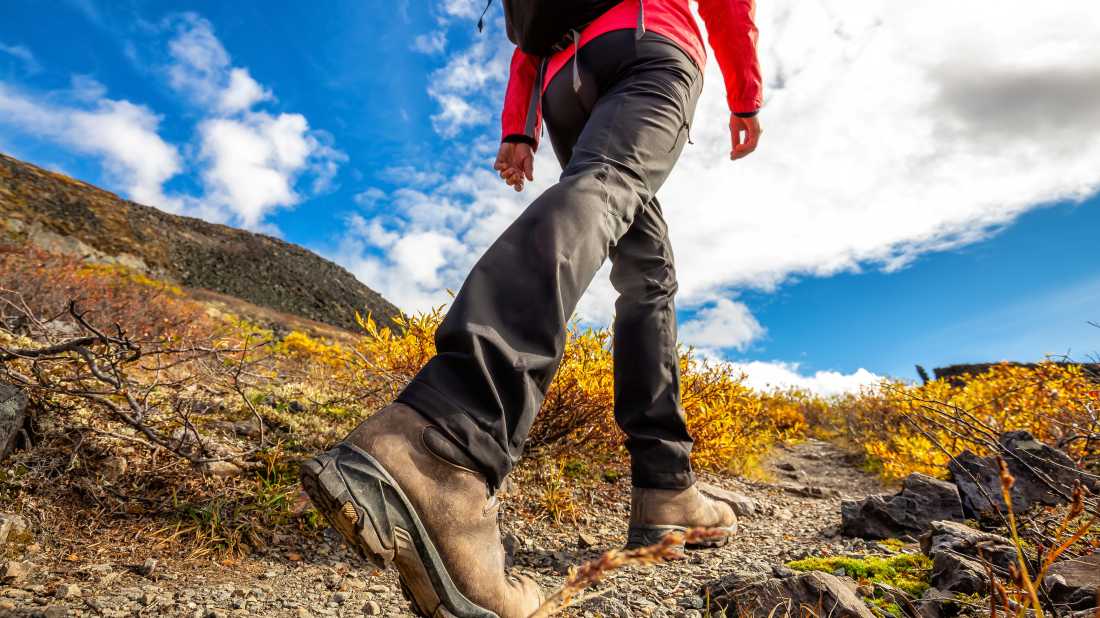
The Tundra
North of the treeline, the boreal forest finally surrenders to latitude and the tundra takes over. There are no trees to soften the horizon, and the sky becomes impossibly big overhead. The frozen ground is permafrost, meaning the soil never fully thaws, resulting in bizarre patterned landforms and a short growing season measured in weeks, not months. The tundra is the least-visited region in Canada, but hiking under the midnight sun, I’ve found it the most humbling. The sheer scale of the north speaks to the resilience of Canada’s wildlife, not to mention our thriving First Nations communities. GCT's Tombstone Range hike explores the dramatic edge between tundra and true Arctic wilderness.
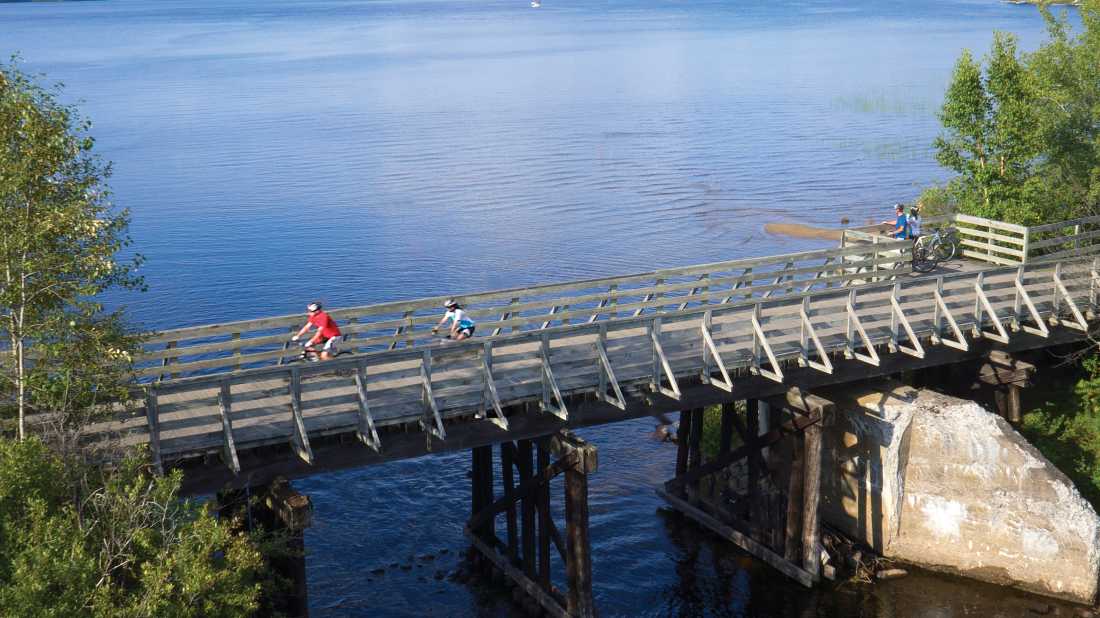
The good news for anyone feeling intimidated is that you don't need mountaineering skills or Arctic gear to experience Canada's variety of terrain. You simply need a bicycle and a rail trail. Canada's old railway lines, graded for freight trains and later converted to gravel or hard-packed cycling paths, conveniently cut through almost every landscape on this list without ever asking your legs to climb a real hill. PEI's Confederation Trail crosses the island coast-to-coast on a gentle, red-dirt ribbon, forming the backbone of our Prince Edward Island by Bike itineraries. Le P'tit Train du Nord threads through the Laurentians' hardwood forest and river valleys. British Columbia's Kettle Valley Heritage Trail carves along old trestle bridges above Okanagan lakes and vineyards, brushing right up against the desert I mentioned earlier. Nova Scotia's Rum Runners Trail follows the old rail bed along the South Shore's rocky coast. And Ontario's Rideau Heritage Trail and Niagara Wines and Waterfront Trail strings together canal towns, farmland, and vineyard country on similarly forgiving grades. Rail trails are a connective tissue of this list, a low-effort, high-reward way to sampling forest, coast, valley, and Shield without needing an ice axe.
Perhaps this explains why Canadians are so famously understated about where we live. We grow up surrounded by mountains, forests, tundra, coastlines, ancient rock, prairie skies, and vast landscapes that appear ordinary simply because they're familiar, even if there is nothing ordinary about them. Whether you're hiking, cycling, paddling, or simply slowing down long enough to look around, every trail across Canada reveals another chapter in the country's remarkable geography. The hardest part isn't finding an extraordinary landscape, it's deciding which one to explore next.
Robin Esrock is the bestselling author of The Great Canadian Bucket List.